When floods force communities to retreat, we lose more than homes.
SHORT READ
by Adele Wessell
Associate Professor, Faculty of Education
Southern Cross University
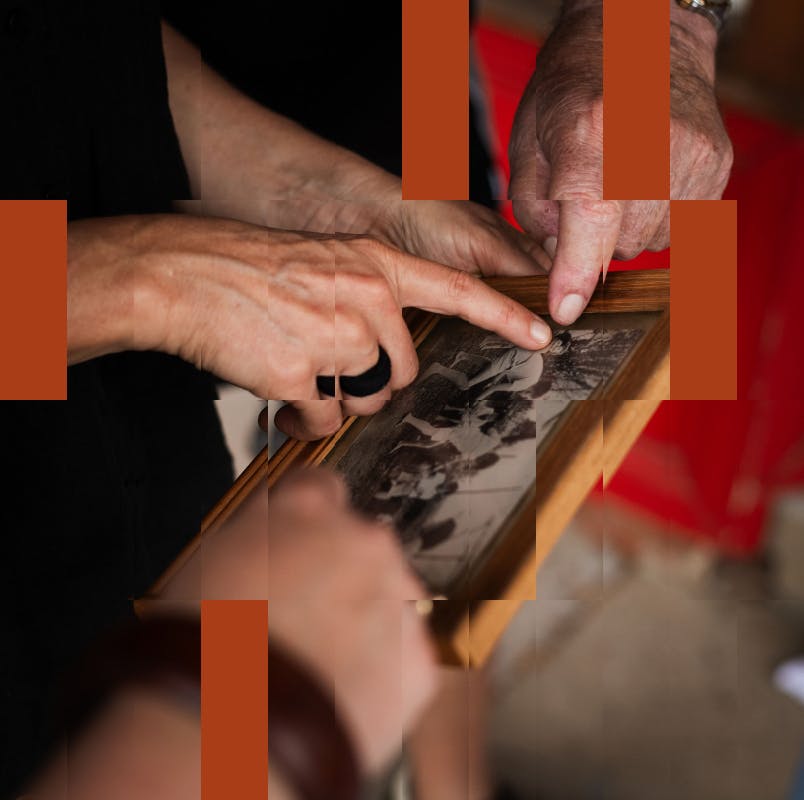
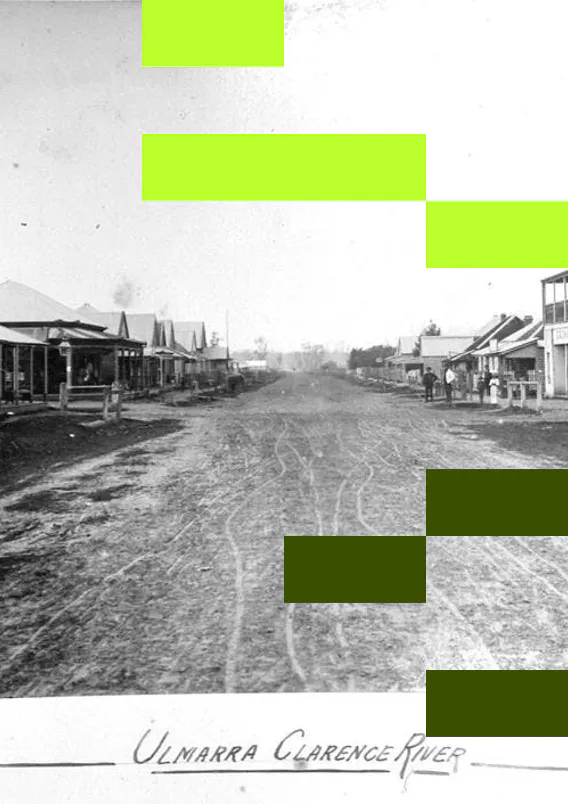
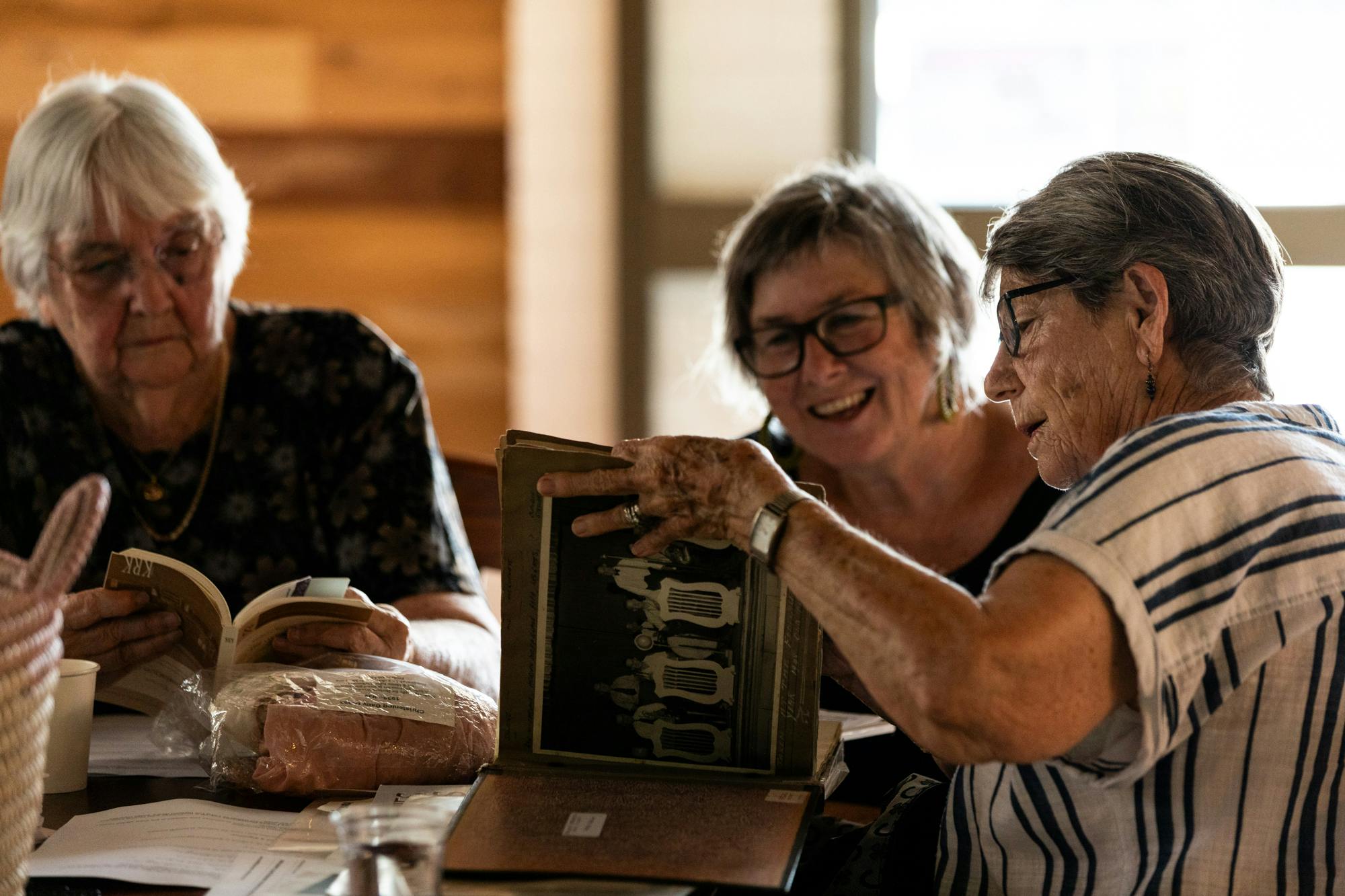
In North Lismore's riverside neighbourhood, our Living Memory project has uncovered something remarkable. Not just tales of survival, but a living archive of adaptation developed over generations. Residents have shared how they created resilience through ingenuity and connection as the waters rose and fell.
"The old people knew when the floods were coming," Aunty Marie Delbridge recalls, her voice carrying wisdom passed through generations. "We'd all go to bed, rain pouring down. We'd have three solid days of rain and that water would come up and Gran would be waking us all up… time to go."
Homes across North Lismore tell their own stories of adaptation. Mezzanine floors hover above flood heights, pulley systems lift belongings to safety, thoughtfully positioned manholes and wall shelving were designed with rising waters in mind. Two neighbours constructed a bridge between their houses so they could be together when isolated by floodwaters. Many homes were built from Big Scrub timbers that had survived periodic flooding, with doors deliberately opened to allow water to move through.
Yet beyond these physical innovations lies something even more powerful: the elaborate social networks that sustained the community through floods.
A 1979 Richmond River Interdepartmental Committee report captured what locals always knew – that the greatest support came "from within the community specifically from 'friends and neighbours'… an intricate network of arrangements which would appear to have evolved over a number of years." This pattern of connection and mutual care continued unbroken through the floods of 2017 and 2022.
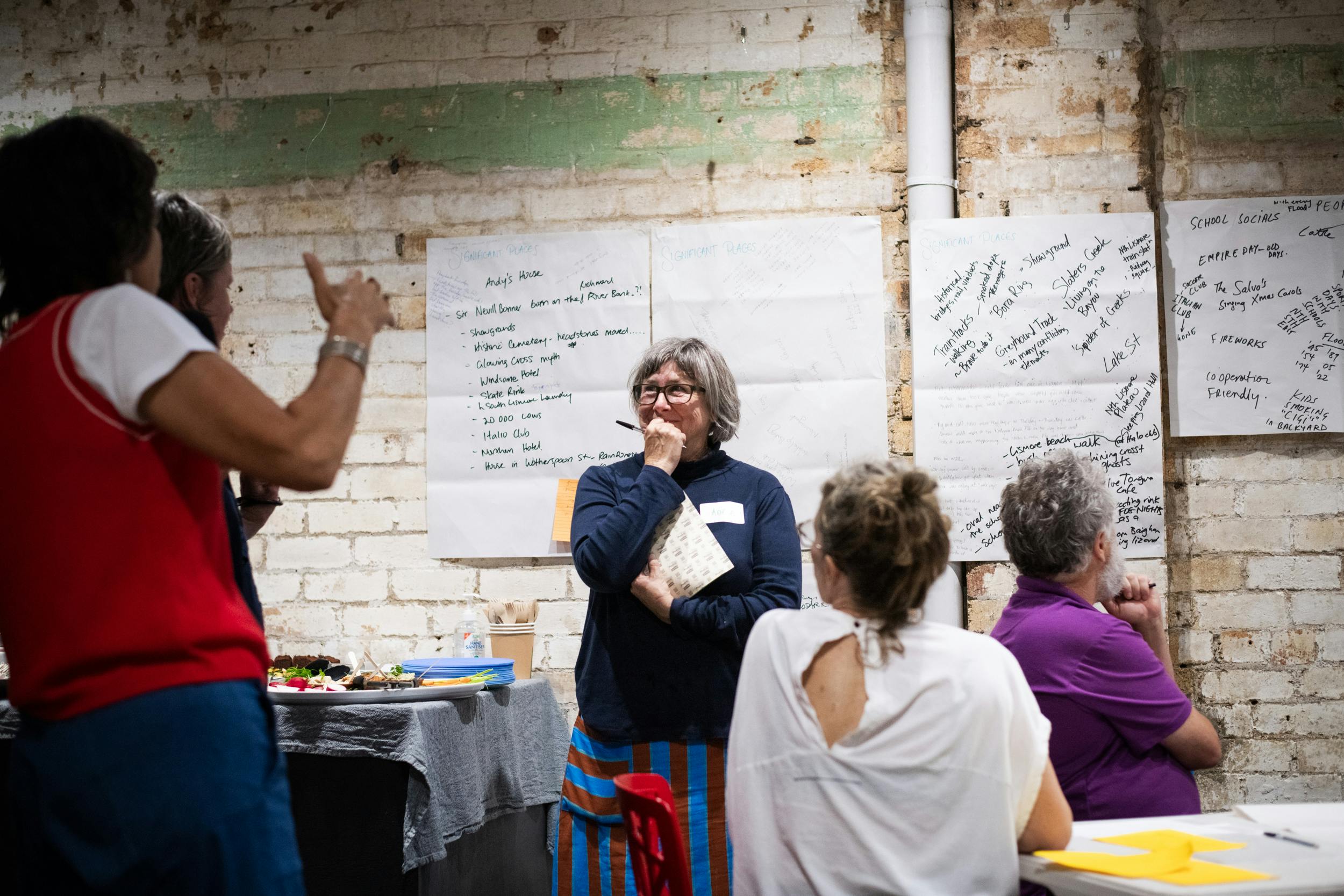
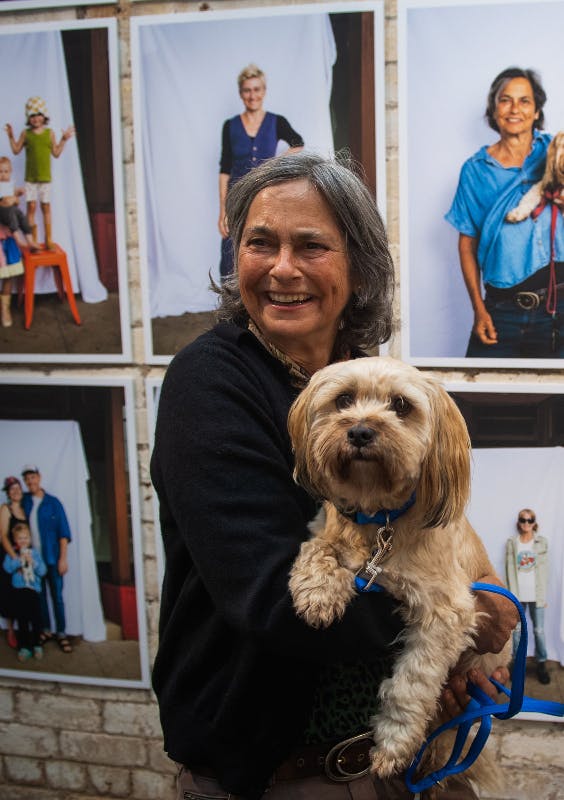
Adele with participants at the community co-design workshop, as part of Living Memory North Lismore. Image by Elise Derwin.
Everyday practices strengthened these communities and the relationships they had with each other. Walking across bridges, swimming at Sandy Point, fishing along riverbanks – these ordinary activities fostered intimacy with the environment and an understanding of place that proved invaluable when crisis struck. People knew each other well enough to share knowledge, understand who needed help and which homes to go to for sanctuary.
As climate-impacted relocations increase globally, North Lismore offers important lessons about what we stand to lose. True adaptation isn't found solely in infrastructure or government programs – it lives in the social knowledge and community connections, built in place, that sustain people through adversity.
While government buyback programs may protect individuals from future flood risk, they also disperse communities with generations of adaptation knowledge. "Let floodplains be floodplains" has emerged as a principle in contemporary flood management, but what becomes of the human stories when we retreat from these landscapes?
Our research suggests these narratives deserve preservation – not just as historical records, but because they provide essential knowledge about living with rather than against natural systems.
As the built environment of North Lismore changes, recording these stories takes on new urgency. Future communities facing climate displacement will need more than engineering solutions. They'll need models of how people maintain identity, support networks and ecological knowledge even as their physical places transform or disappear.
The story of North Lismore isn't just about floods – it reveals how humans and landscapes shape each other through crisis and adaptation. It reminds us that effective climate responses must honour both the physical and social dimensions of place.
The everyday flood preparations of North Lismore residents – seemingly mundane but profoundly significant – tell us something essential about community resilience. Our climate future requires not just retreat from vulnerable areas, but preservation of the place-based knowledge that gives communities their strength and adaptability in the first place.
For those of us living in this region, North Lismore's story holds particular resonance. In the face of climate challenges more broadly, we must ask: how do we protect both people and the invaluable knowledge they carry?
Explore the digital archive Living Memory collection.