A Guide to House Raising

Project
The 2022 floods were a turning point for many communities in the Northern Rivers of NSW — a reminder that adapting to where and how we live is part of our future.
House raising has emerged as one practical response, allowing families to stay connected to their communities while reducing the risk of future flood damage.
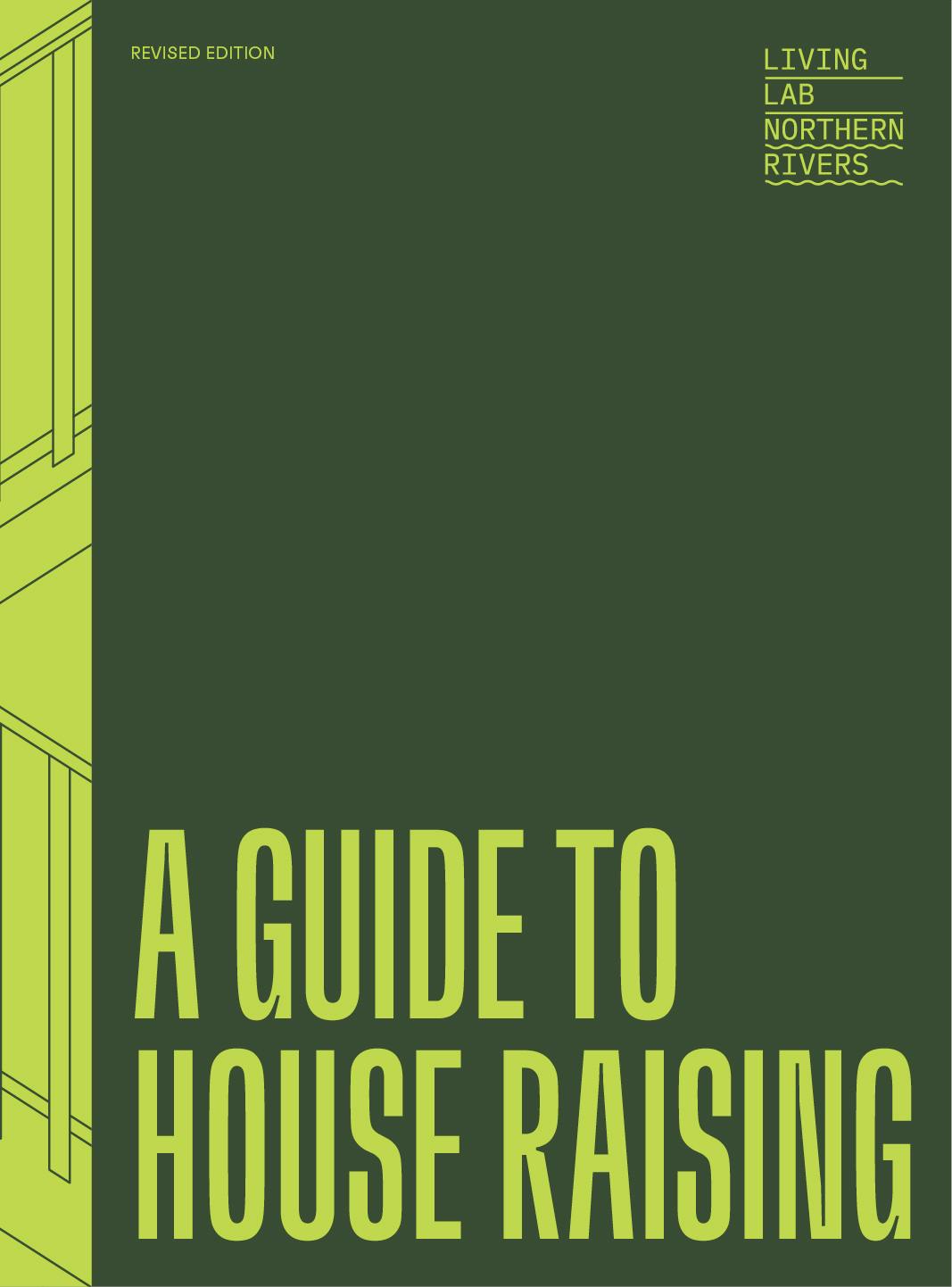
A Guide to House Raising handbook and video, both featured below, is designed to help homeowners think through the critical issues in order to make their house raising project truly successful.
It brings together the essential considerations for anyone embarking on that process — from navigating council approvals, deciding how high to go and what to do with the new space a raised home creates beneath it. While rooted in experiences from northern NSW, the lessons here are relevant to any flood-affected community in Australia.
Our handbook is made to assist anyone considering raising their home, to protect themselves from future flooding. We acknowledge this option may not be available to everyone.
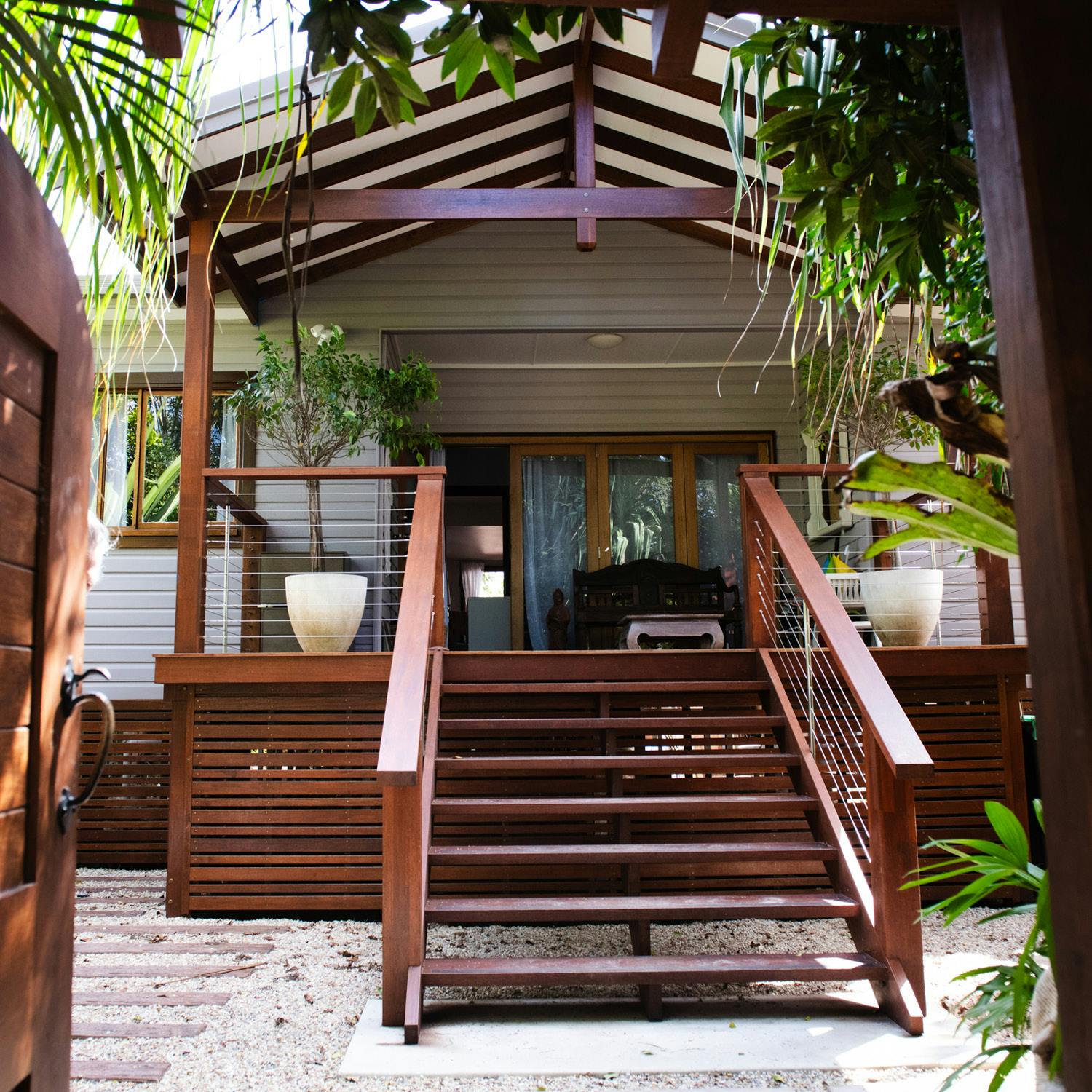
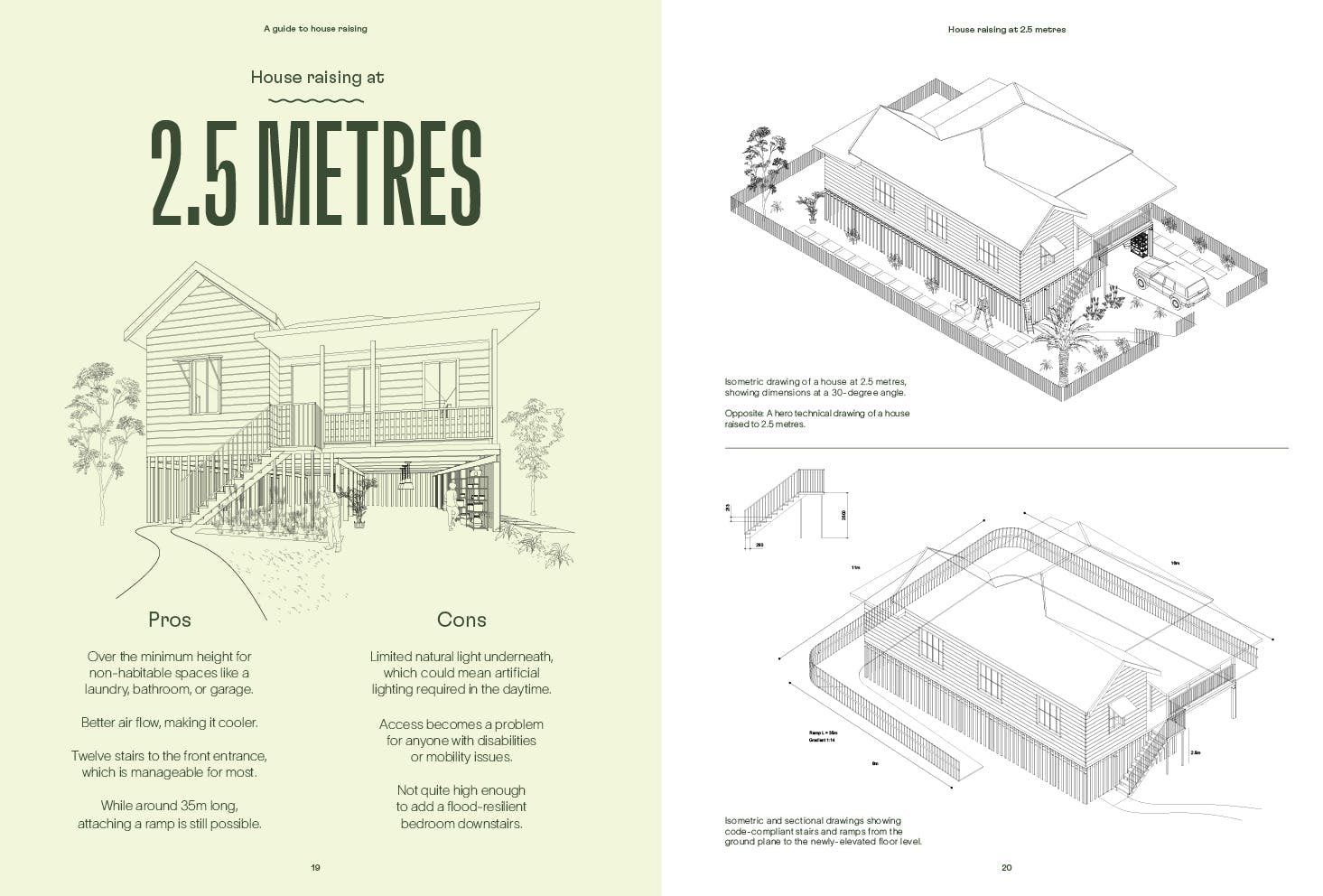
In the handbook: Case Study 01 in Mullumbimby. Raised 1.2 metres. Image by Elise Derwin.
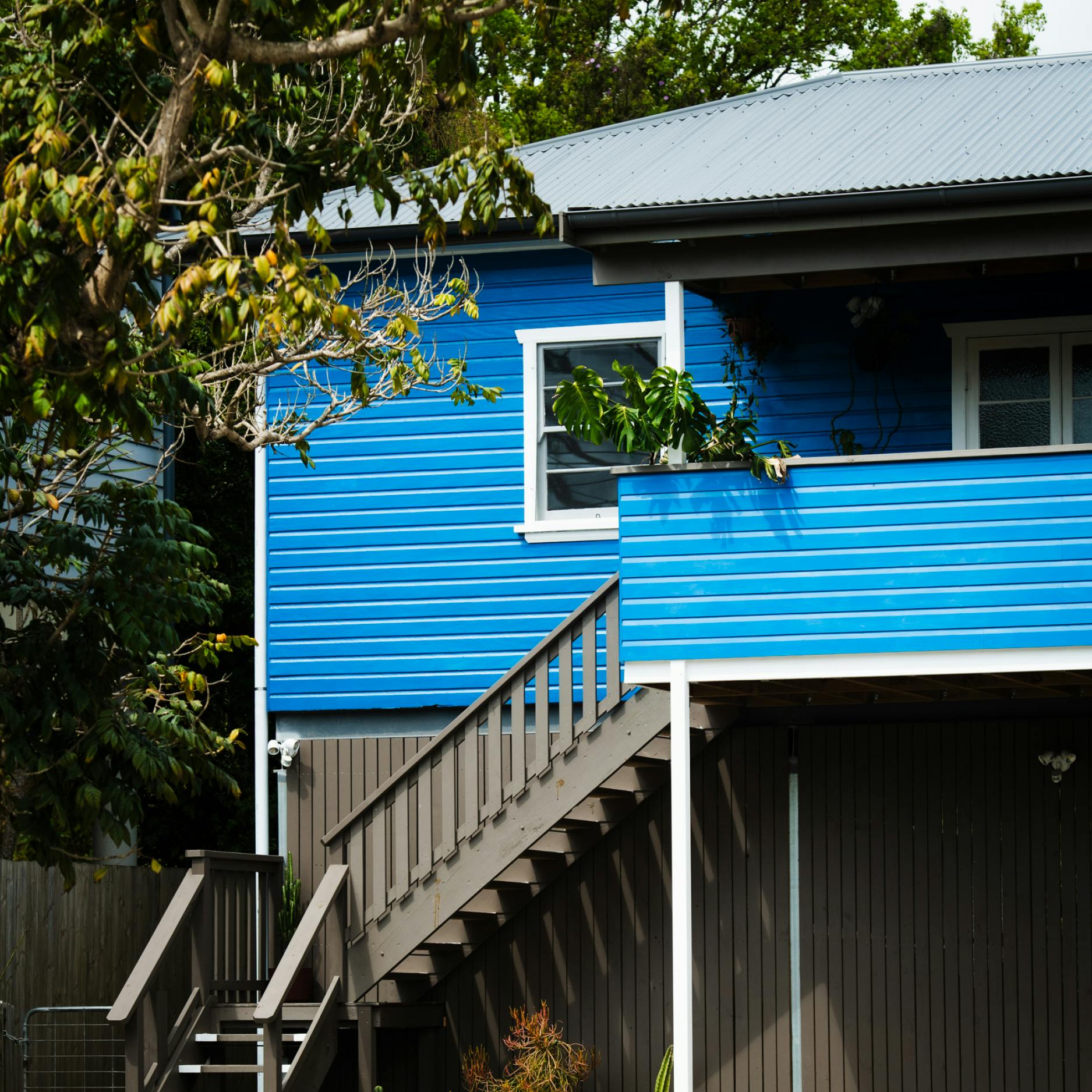
In the handbook: Case Study 02 in Billinudgel. Raised 2.9 metres. Image by Elise Derwin.
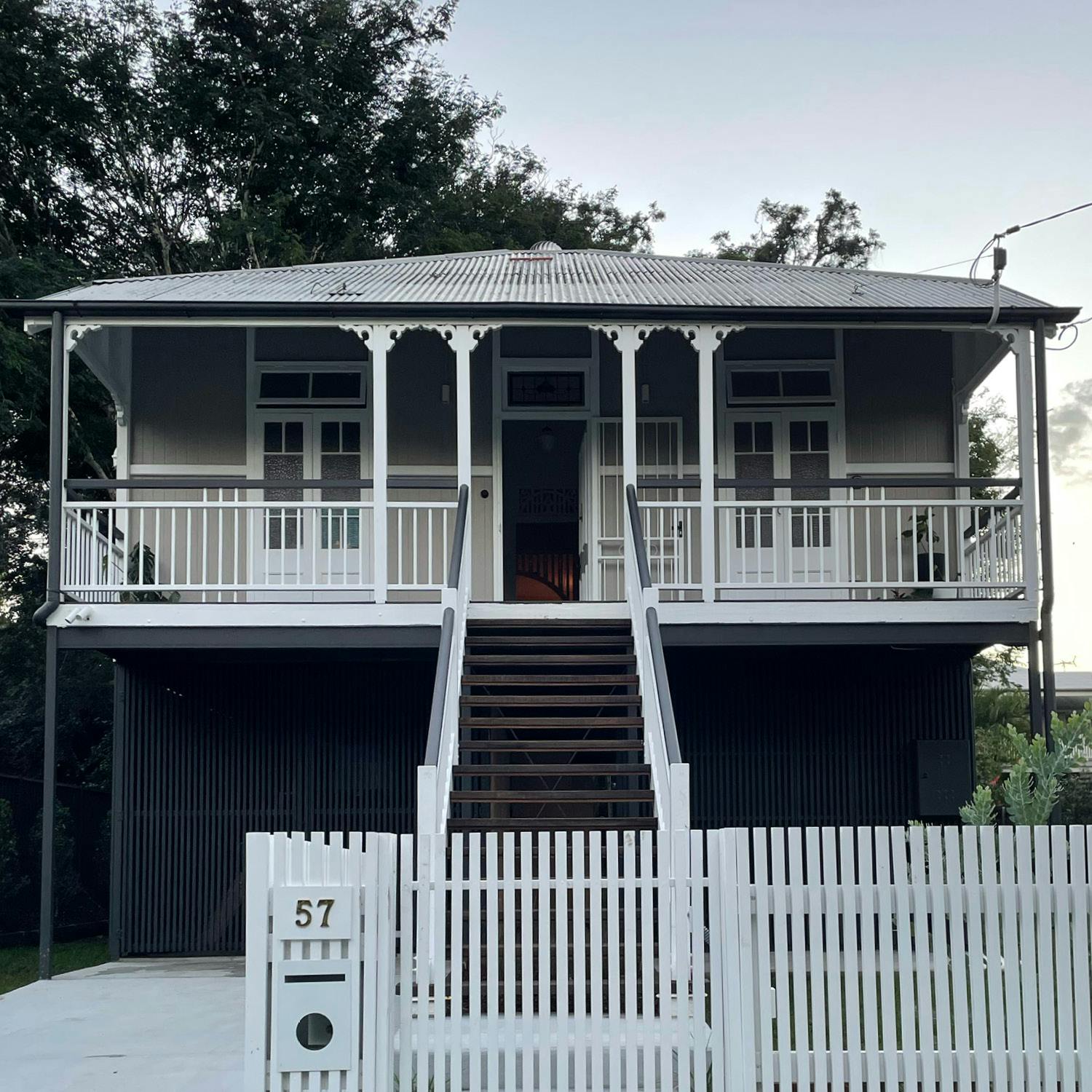
In the handbook: Case Study 03 in Brisbane. Raised 3 metres.
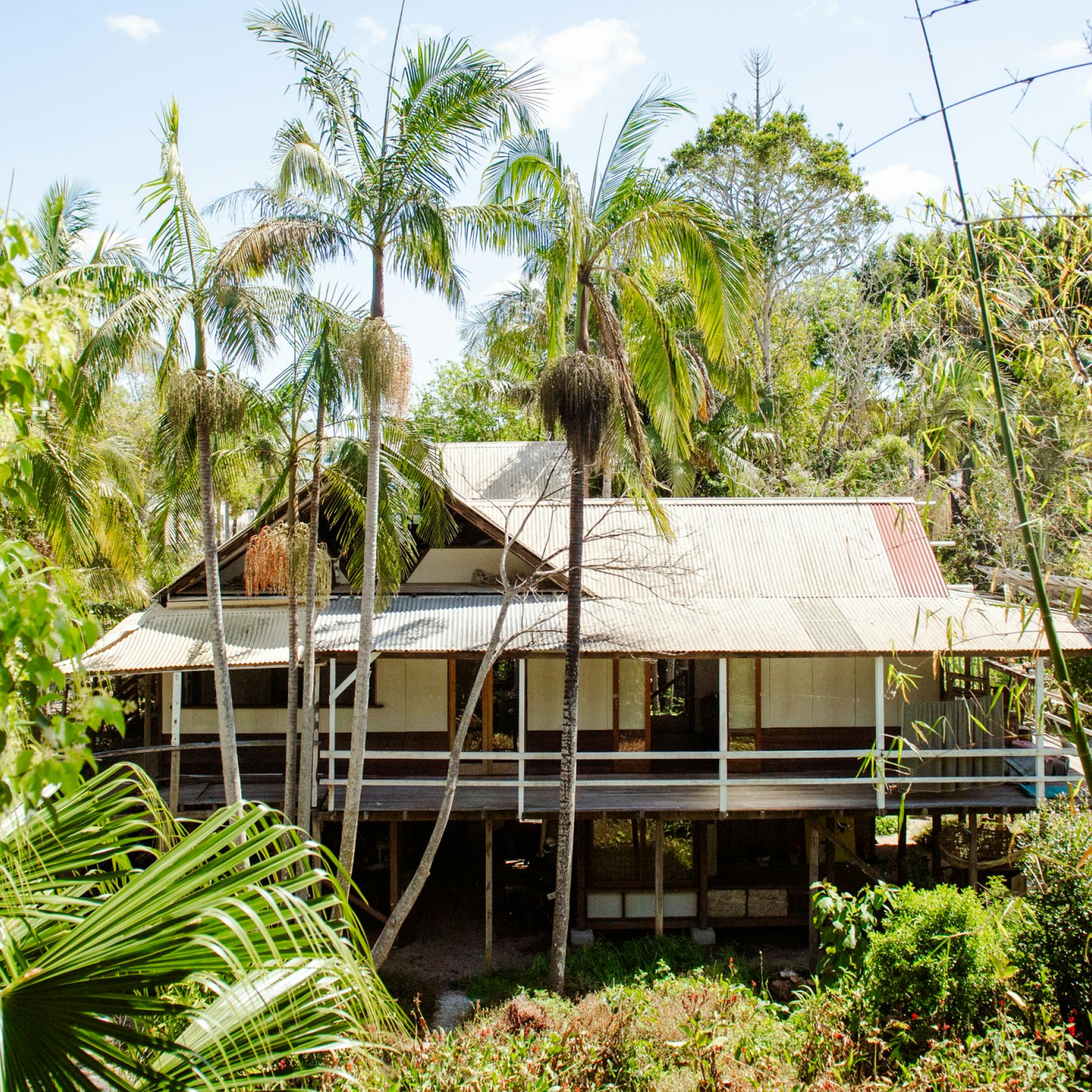
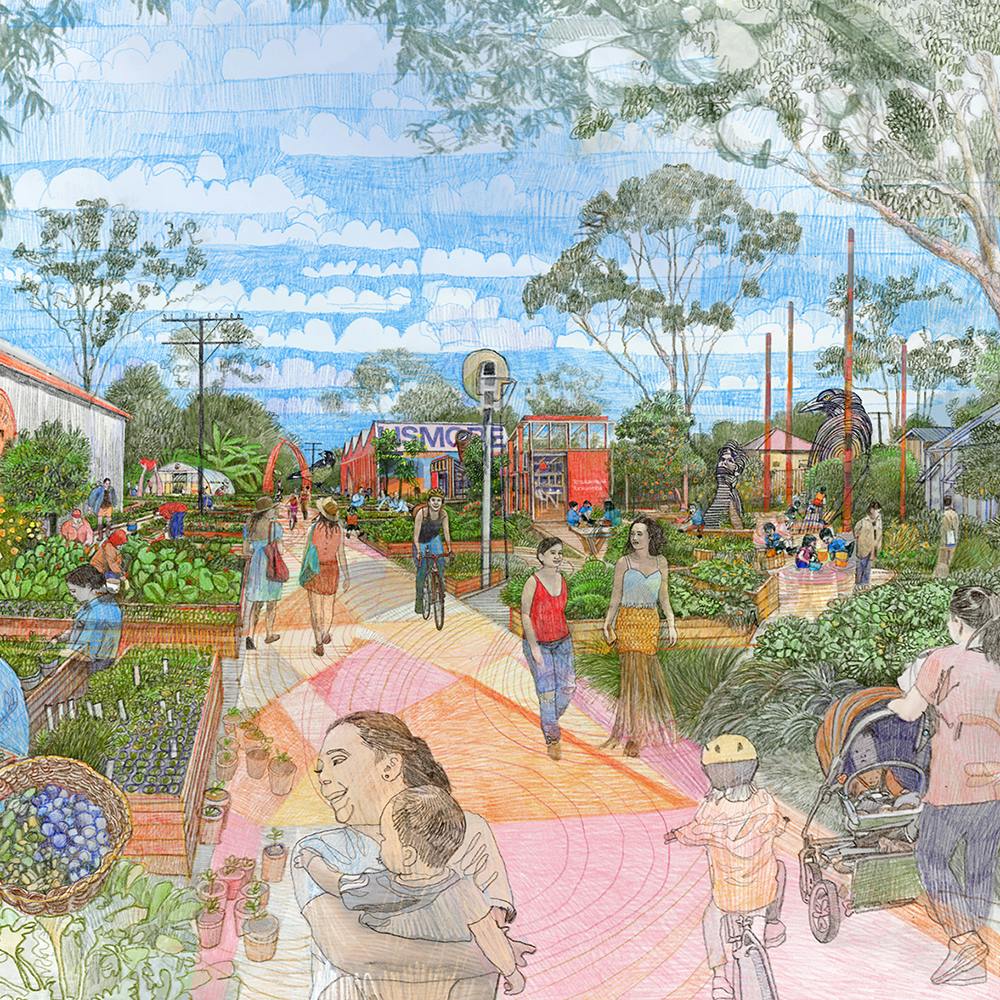
In the handbook: Case Study 04 in North Lismore. Raised 3 metres.
More information
NSW Reconstruction Authority Resilient Homes Program
The Resilient Homes Program helps communities recover from disasters. It also makes eligible homes in high-risk areas more resilient to the impacts of future disasters. This program is being delivered by the NSW Reconstruction Authority (RA).
Understanding planning requirements
When it comes to raising your home, there are different requirements depending on where you live and what you’re looking to do.
Keep in mind when raising your house that your development has to also comply with all relevant planning controls, including height requirements.
To make a start, contact your Council’s planning and building services department. They’ll help you understand the rules that apply to your property. Check your Council’s website below for more information.
Ballina Shire Council
Byron Shire Council
Clarence Valley Council
Kyogle Council
Lismore City Council
Richmond Valley Council
Tweed Shire Council
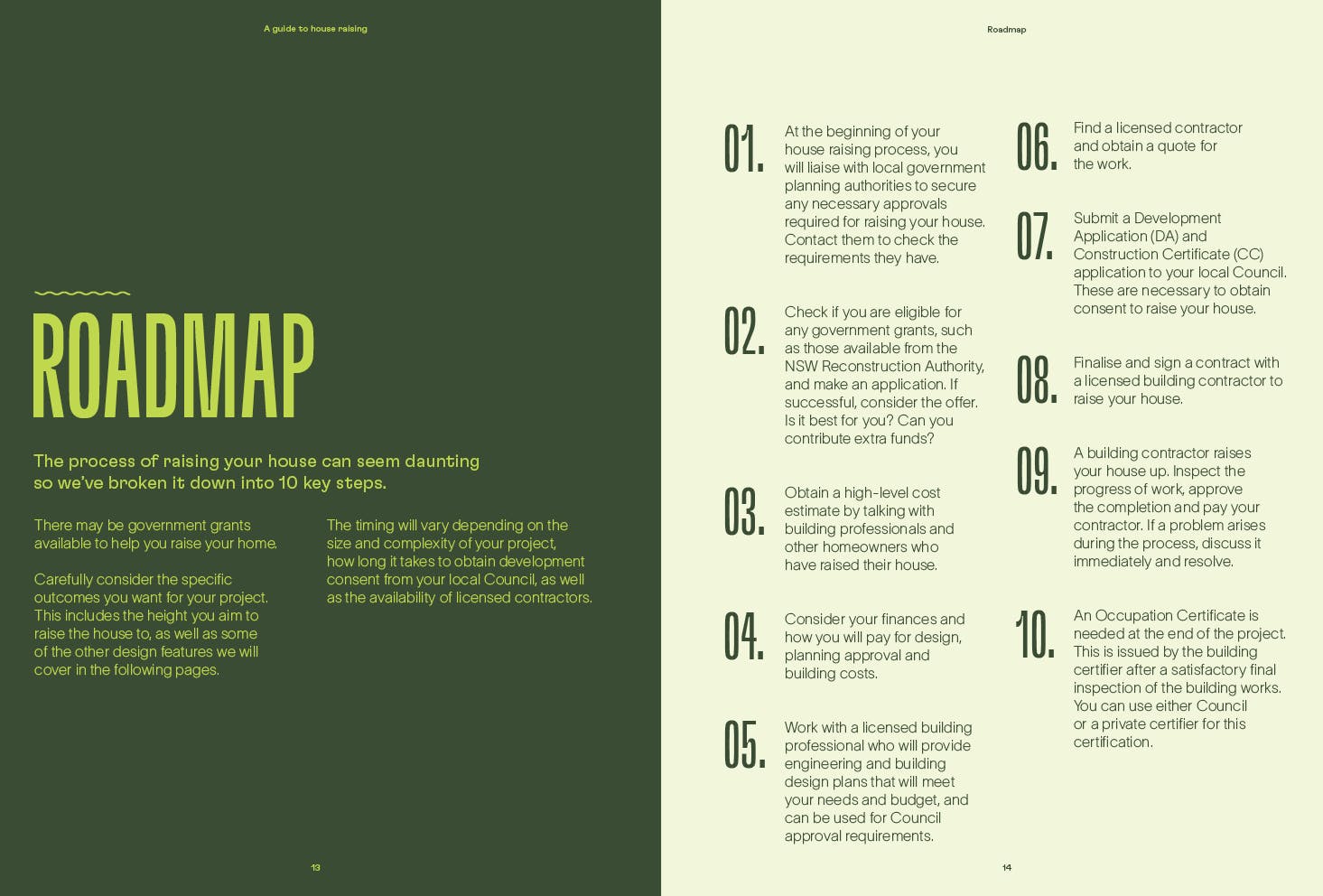
Example page from the handbook.
This Disaster Ready Fund project is funded by the Australian Government and NSW Government.