
Bring It On Home
Exhibition
What does home mean to you?
When the 2022 floods hit, they collided with an existing housing crisis, creating unprecedented challenges. As the NSW Reconstruction Authority began buying back high-risk properties, they also committed to building new housing – presenting an opportunity to reimagine housing solutions for the Northern Rivers.
Through co-design workshops, we brought together residents, housing experts, and decision-makers to explore new possibilities for regional housing. These conversations evolved into a public exhibition, Bring It On Home, that made complex housing challenges accessible to the broader community.
Our exhibition Bring It On Home was an invitation to everyone in the Northern Rivers to think about housing beyond their own back fence, to learn what we have around here and, more importantly, what’s missing.
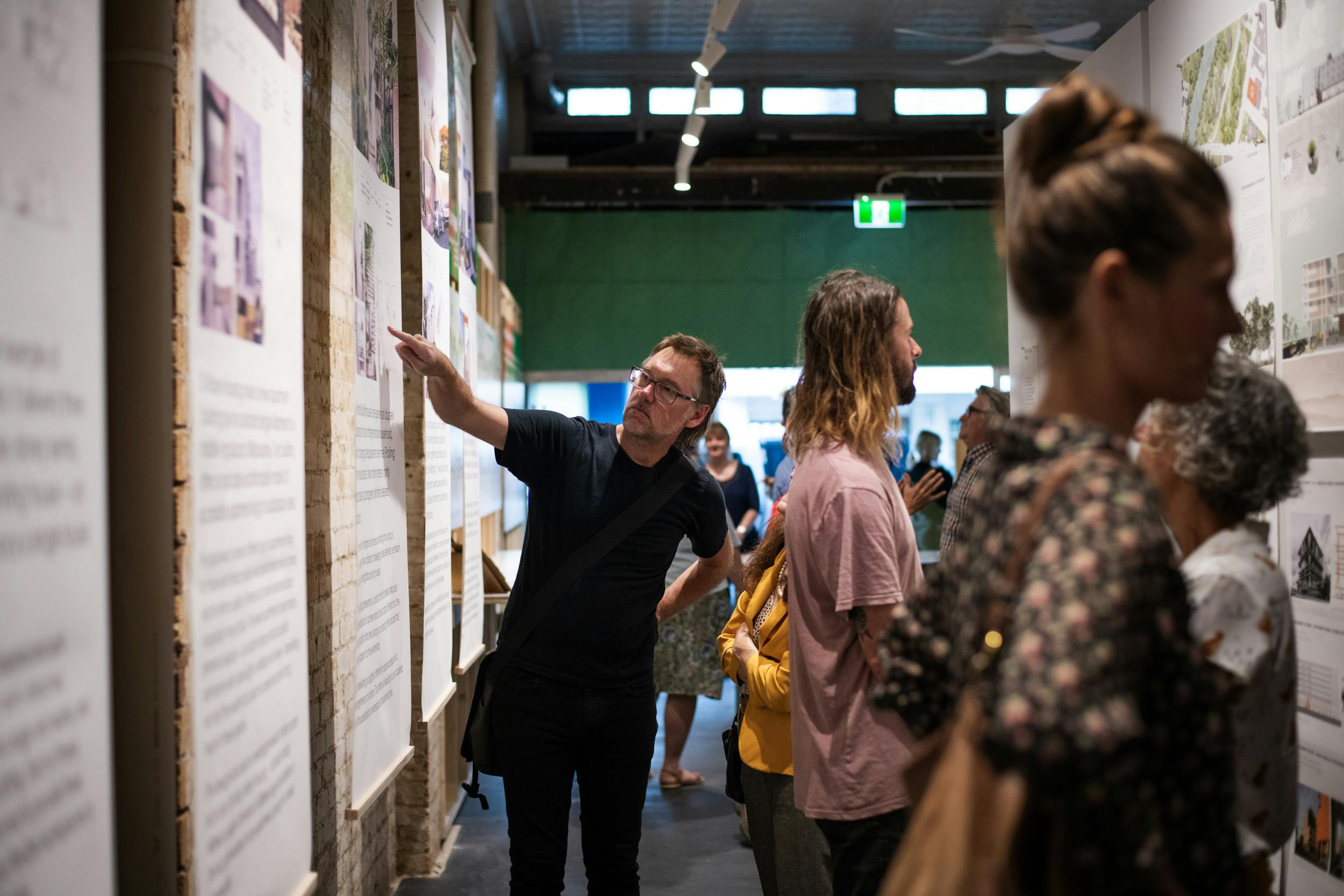
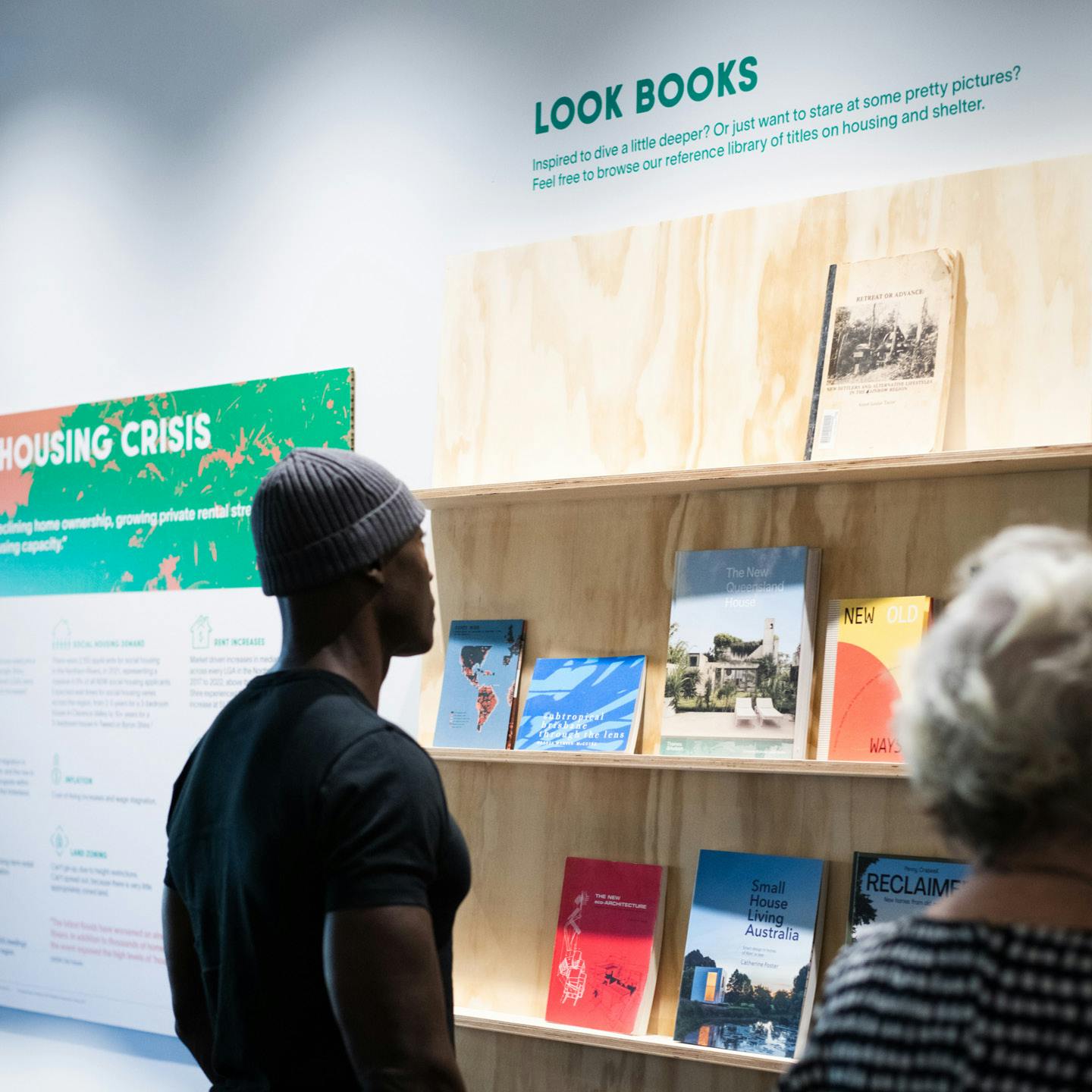
Visitors to the exhibition in our Lismore shopfront. Image by Elise Derwin.
Missed the exhibition?
We've created a summary of the exhibition so you can delve into housing in the Northern Rivers.

What types of housing exist?
The Northern Rivers has always been a place of diversity, except when it comes to housing. Here’s a mix of dwellings, both familiar and rare, that suit different needs.
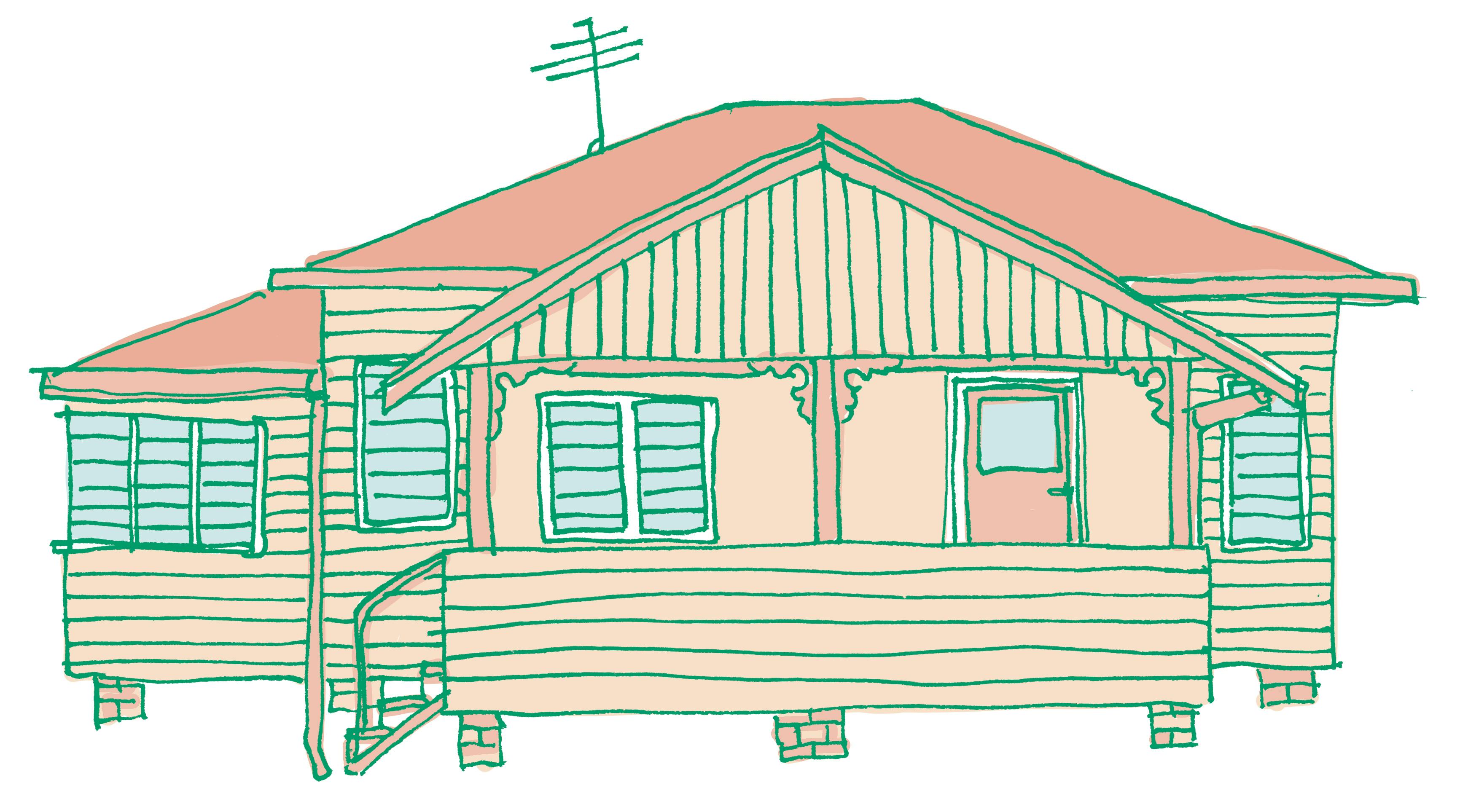
Detached dwelling houses: one dwelling on one lot.
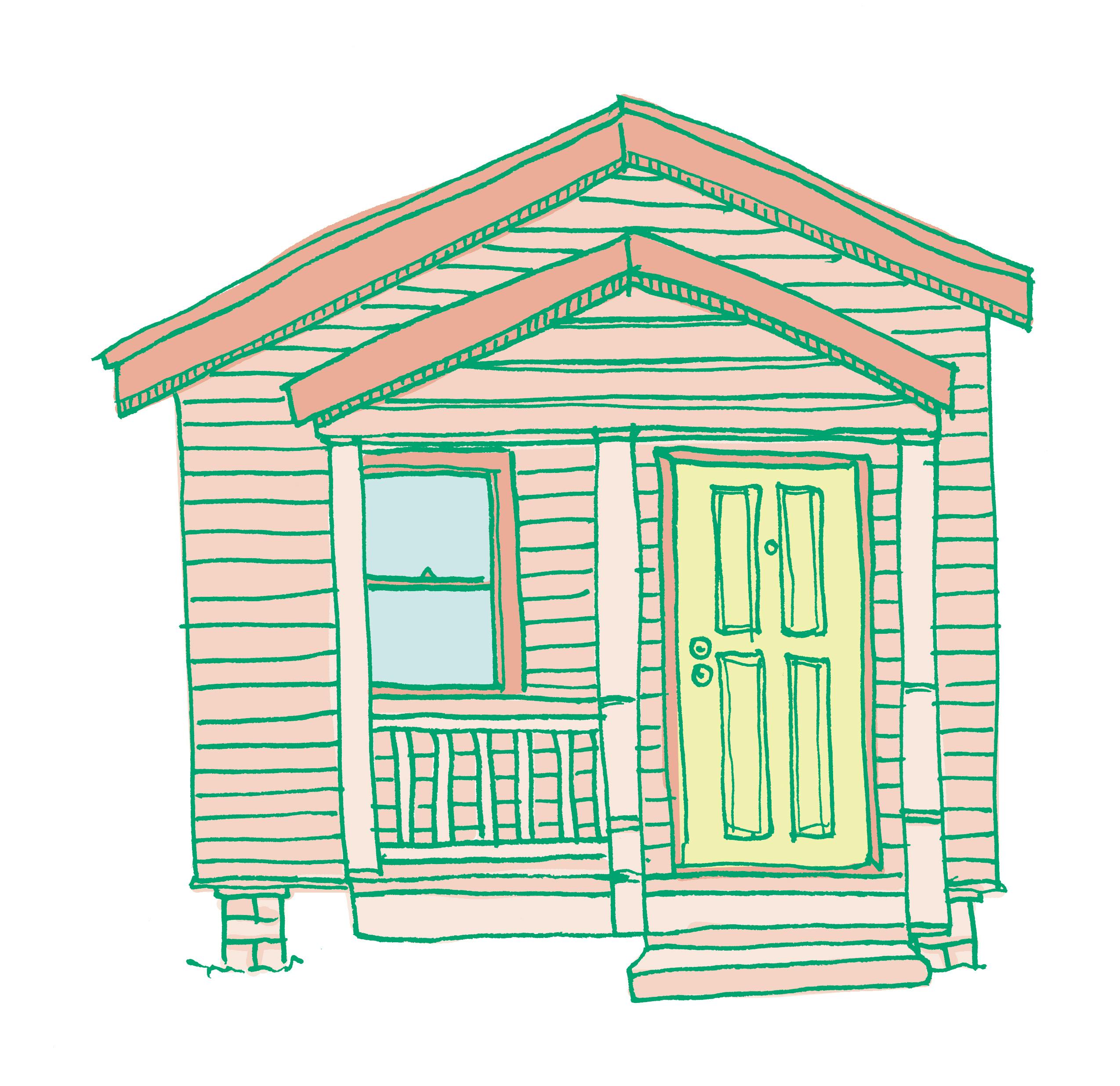
Secondary dwellings on existing lots: Granny flat Two dwellings on one lot.
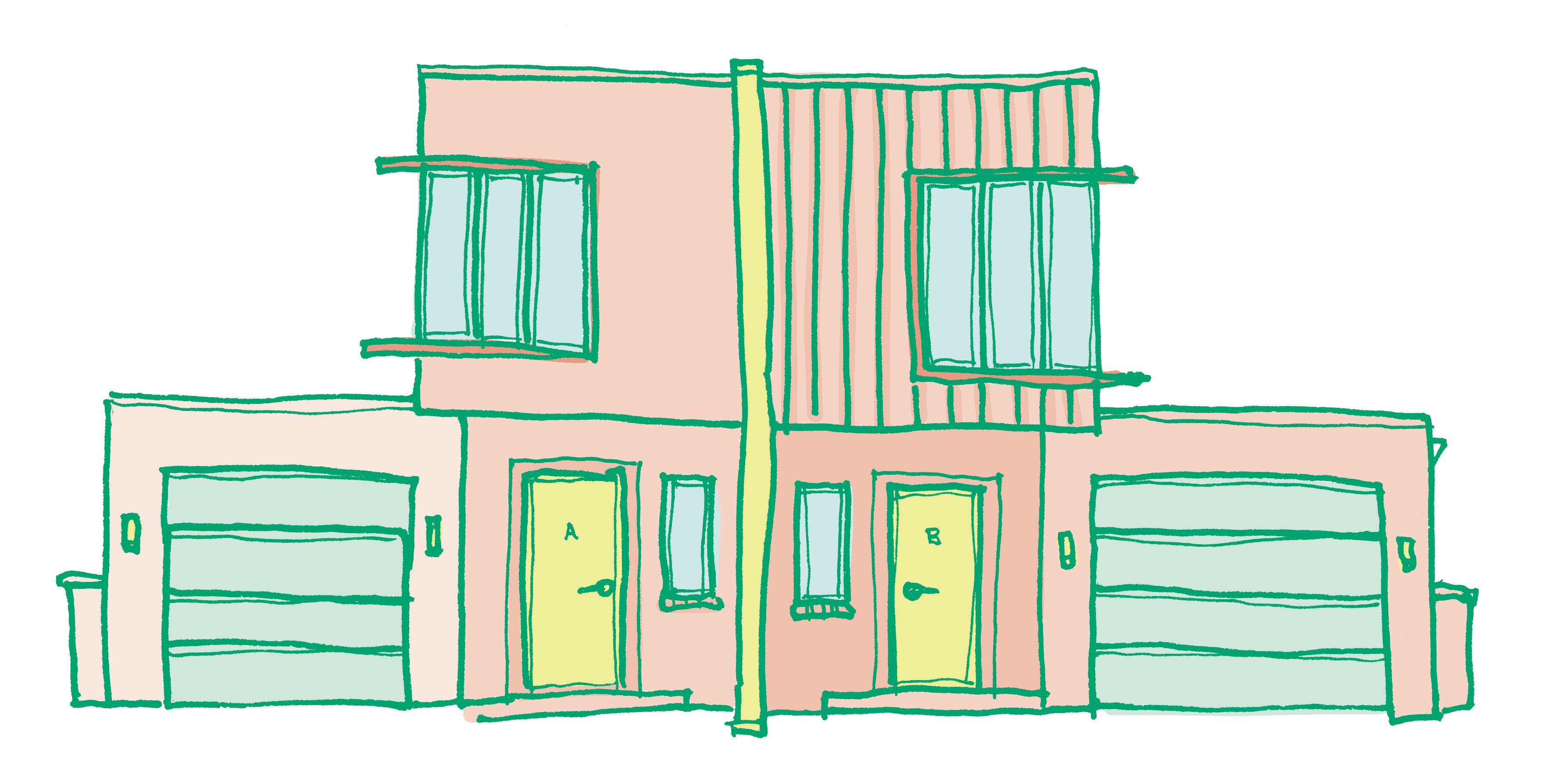
Dual occupancies (attached and detached): 'Duplex' and 'Two dwellings on one or two lots'. // Missing middle type.
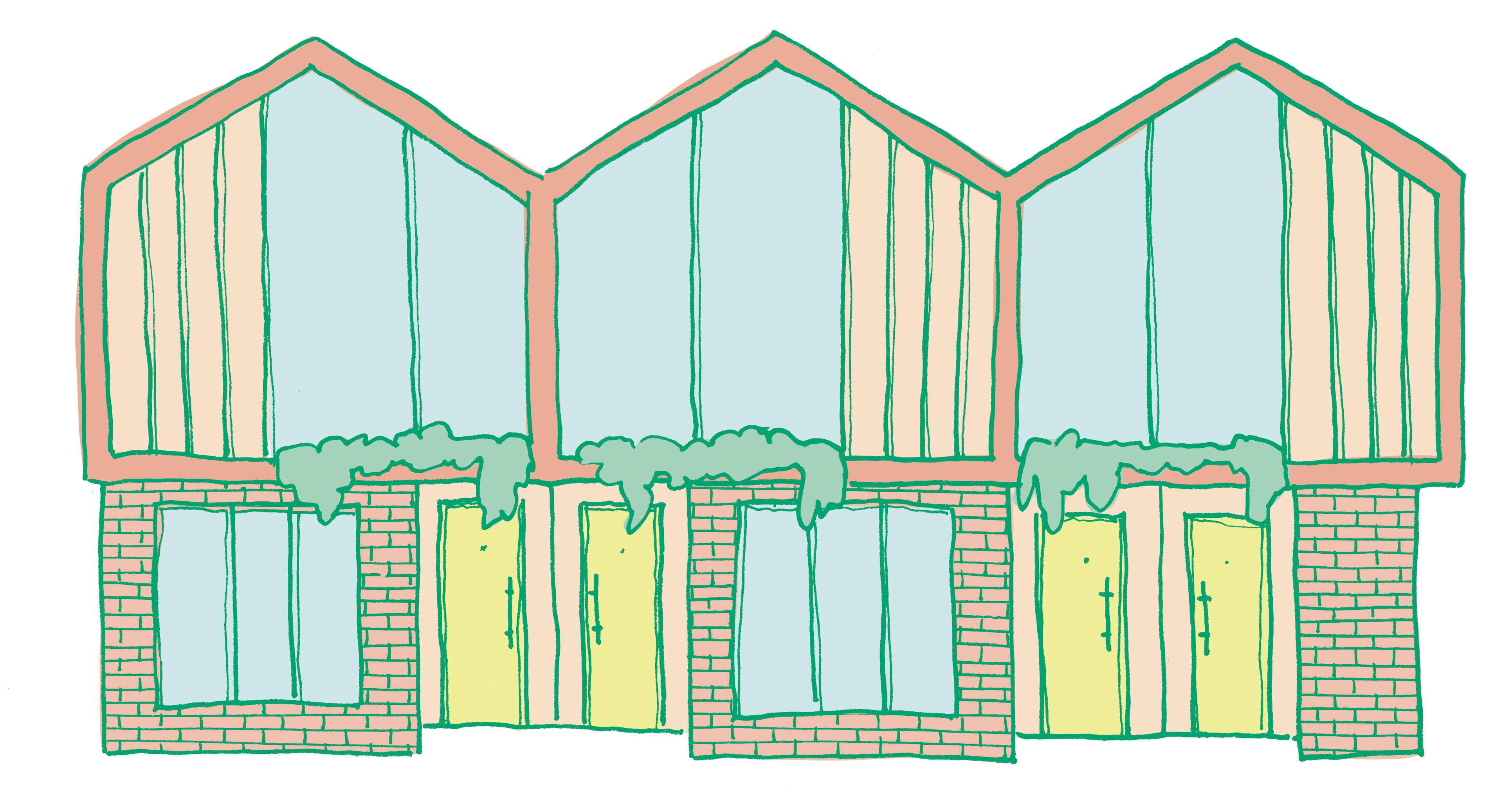
Attached dwellings: 'Terrace or row housing' and 'Three or more dwellings on separate lots'. // Missing middle type.
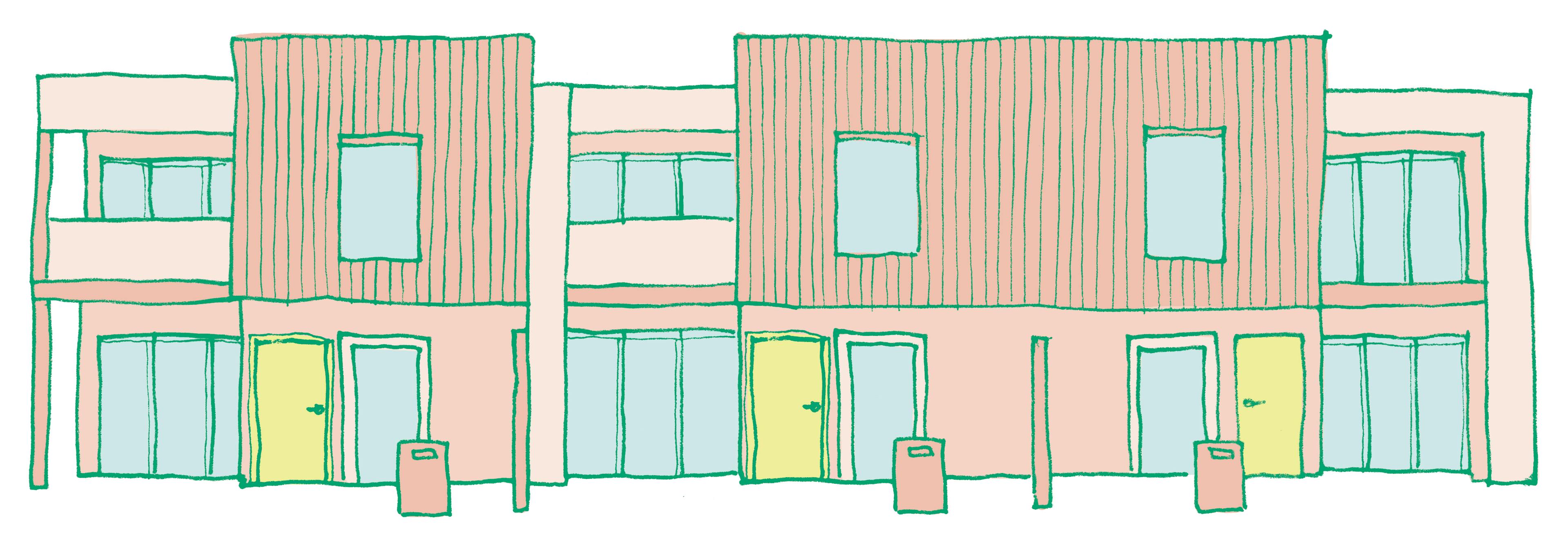
Multi-dwelling housing: 'Townhouses, villas, cluster housing' and 'Three or more dwellings on one lot'. // Missing middle type.
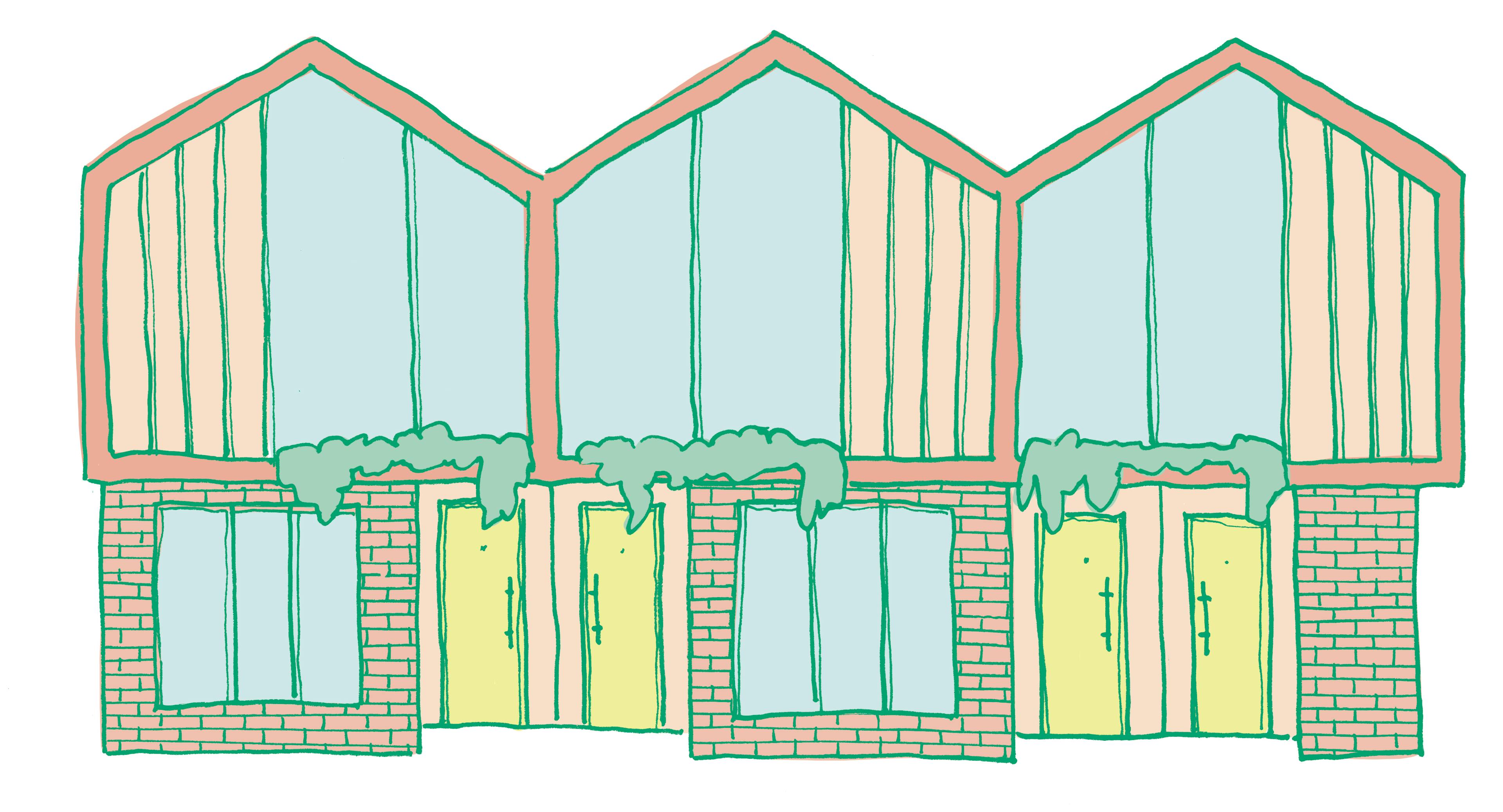
Manor houses: Three to four dwellings on one lot, no more than two storeys. // Missing middle type.
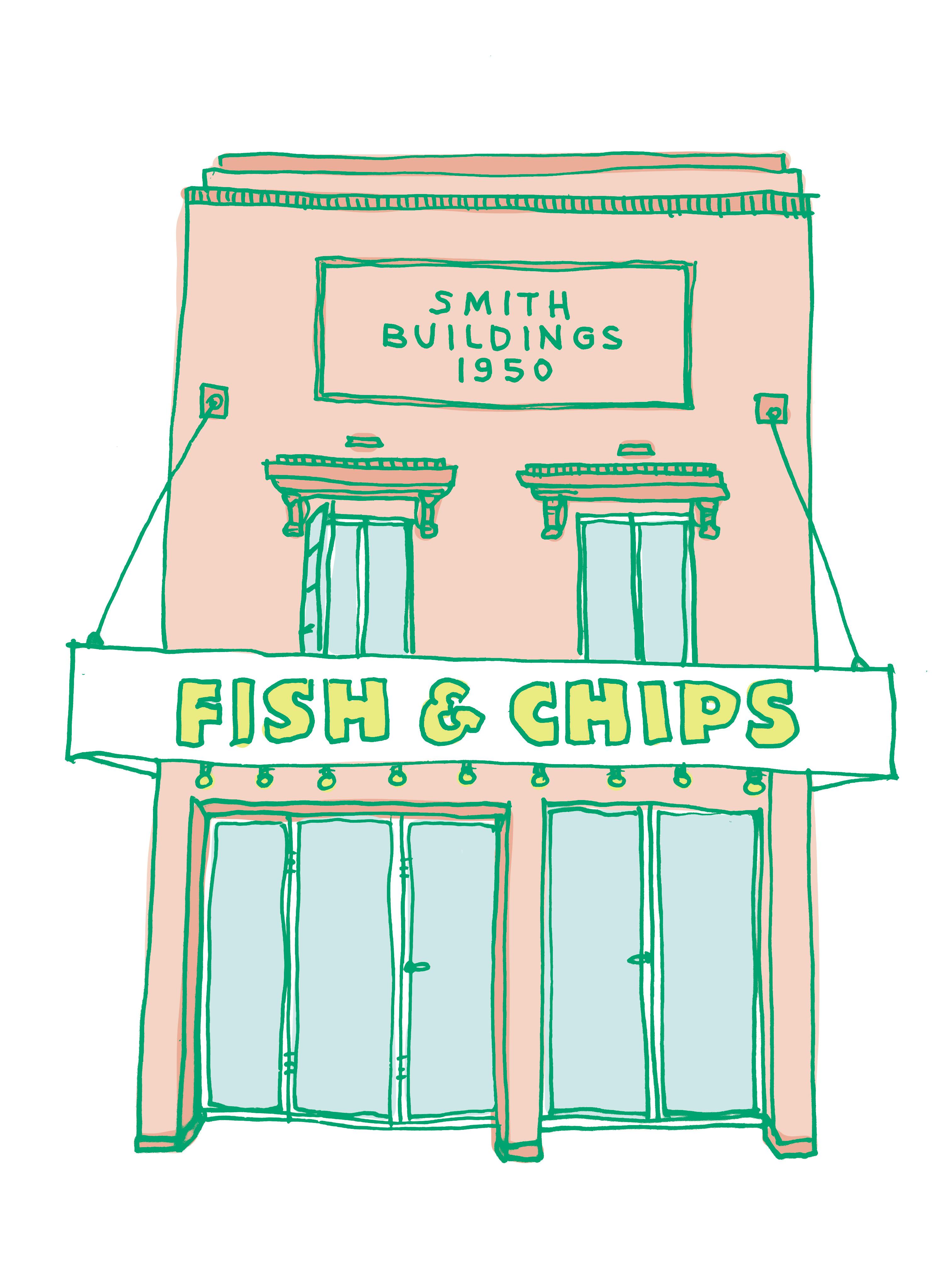
Shop top housing: 'Mixed use development' and 'One or more dwellings above a ground floor shop or commercial tenancy'. // Missing middle type.
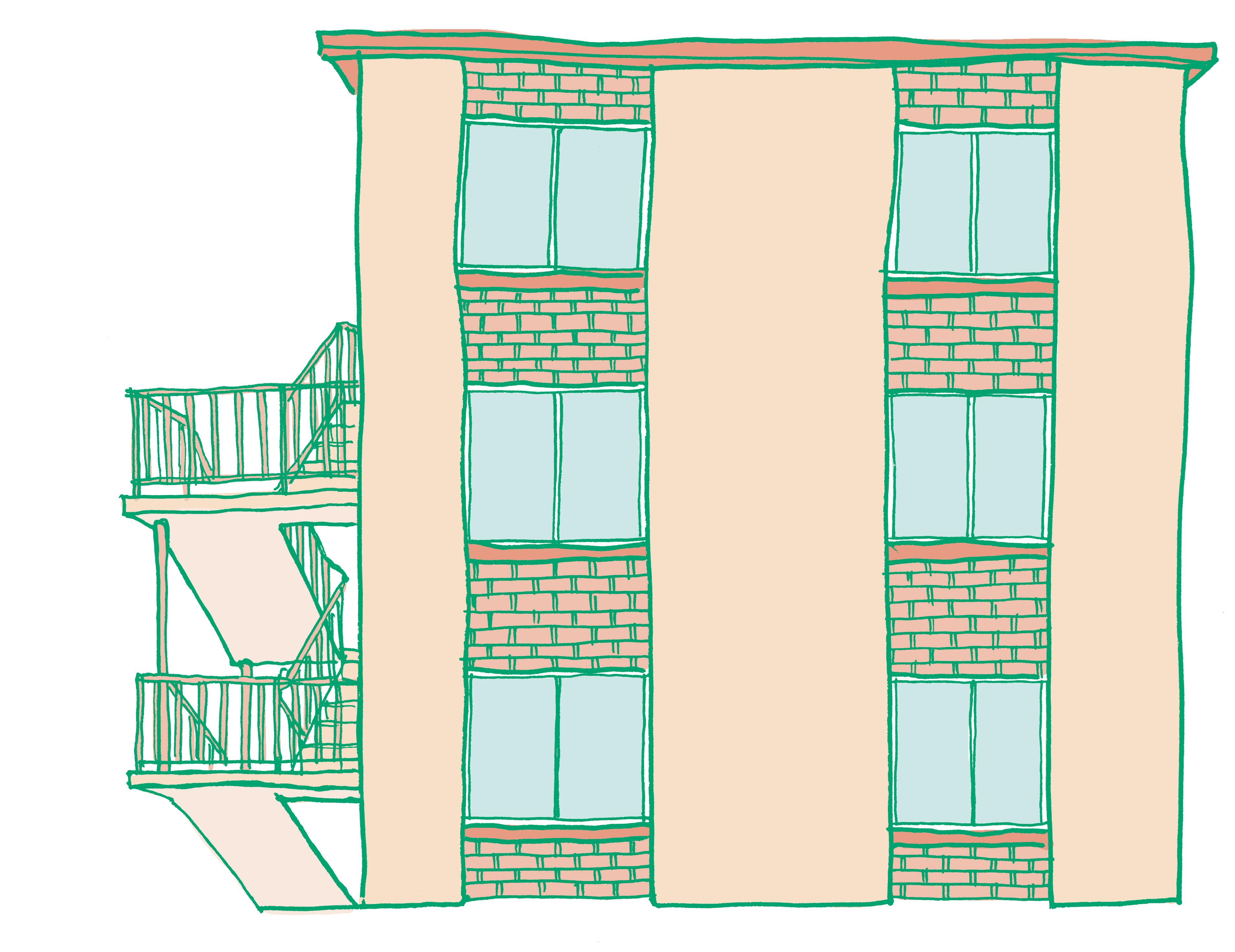
Low rise residential flat buildings: 'Six-packs or walk-up flats' and 'Multiple dwellings up to four storeys on one lot'. // Missing middle type.
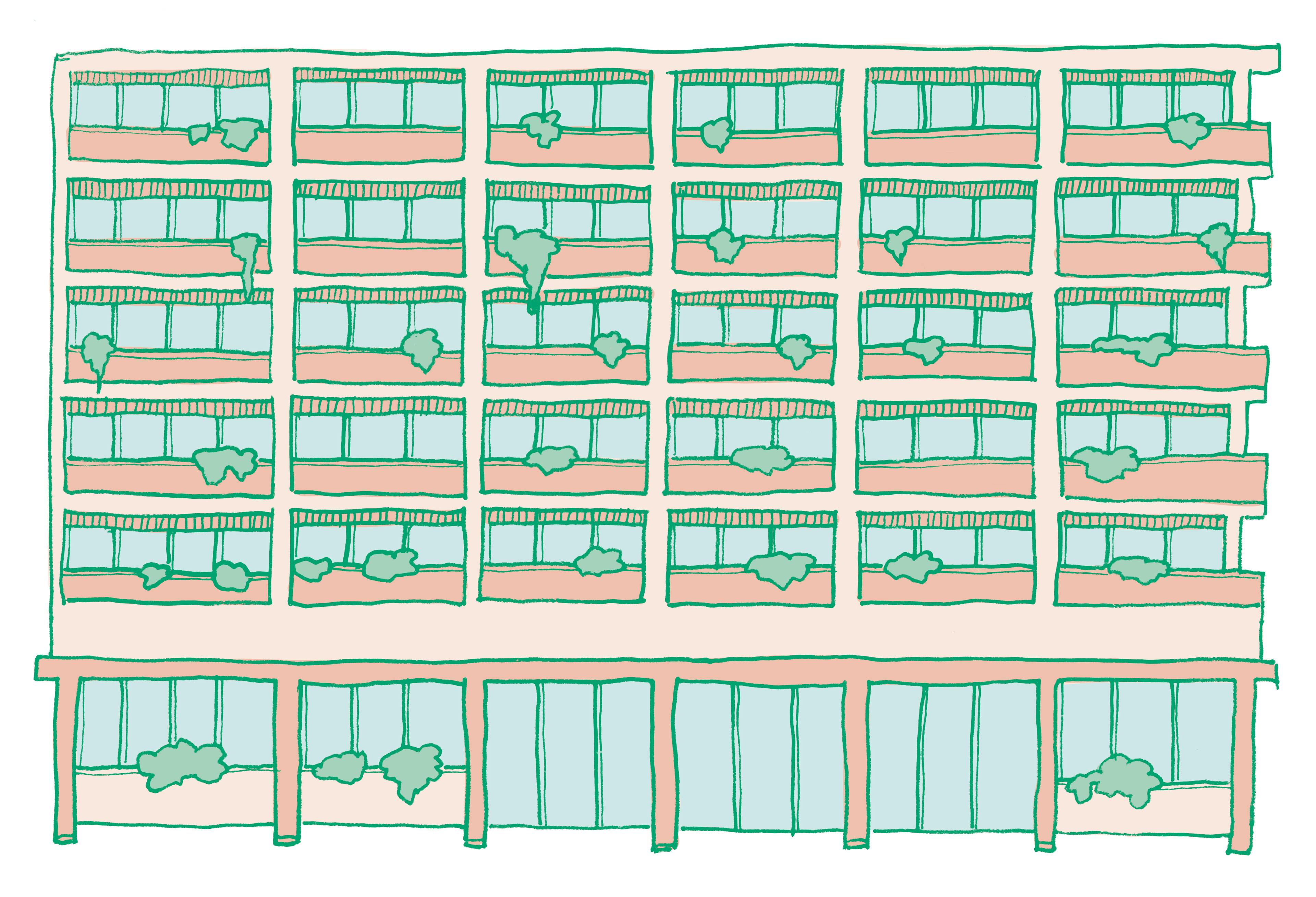
Medium rise residential flat buildings: Multiple dwellings between five and seven storeys.
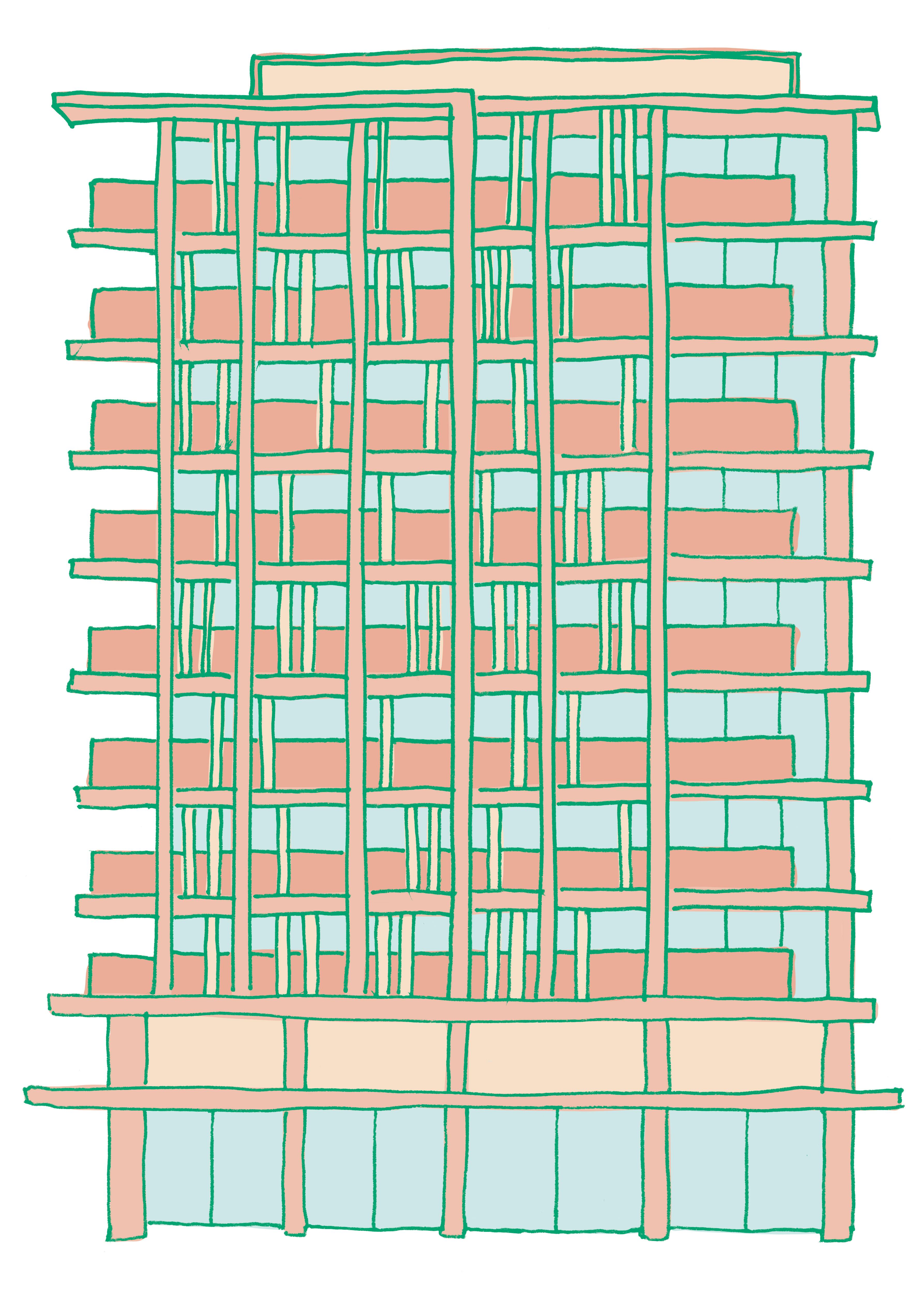
High rise residential flat buildings: Multiple dwellings above seven storeys.
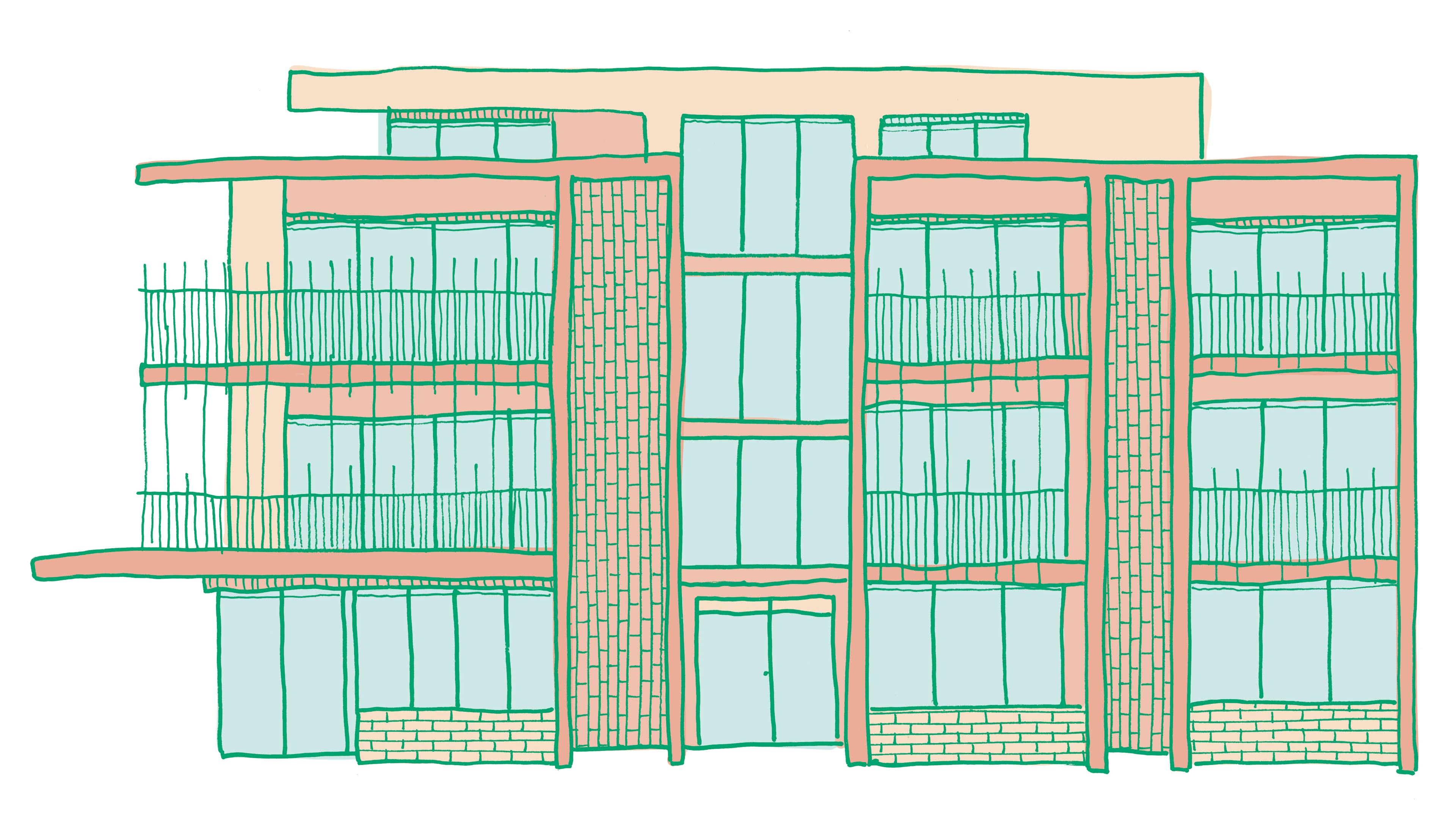
Other types: 'Group homes, seniors housing, co-living, boarding houses' and 'Multiple dwellings on one lot with some shared facilities'.
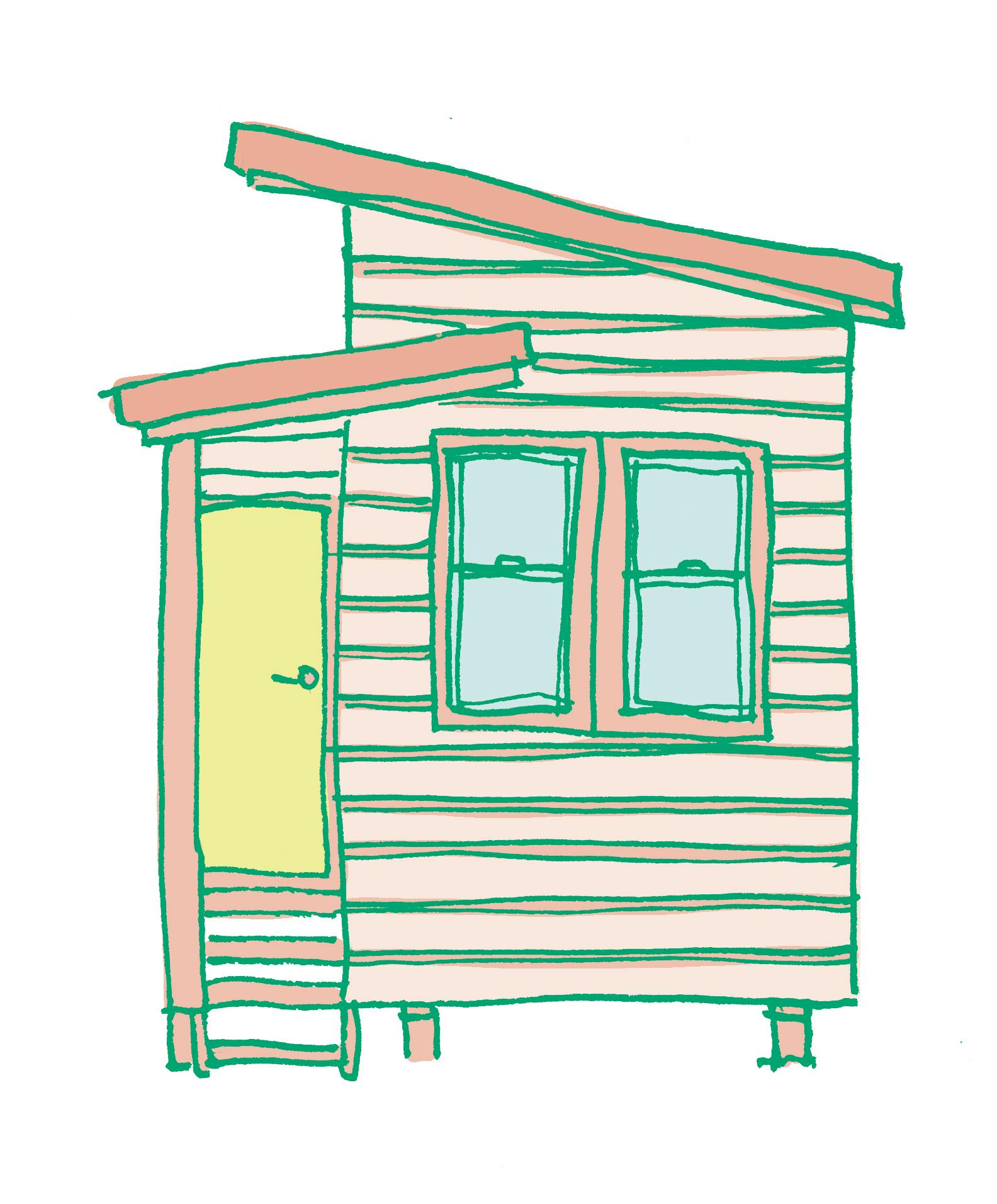
Moveable dwellings: Caravans, tiny houses, prefabricated pods.
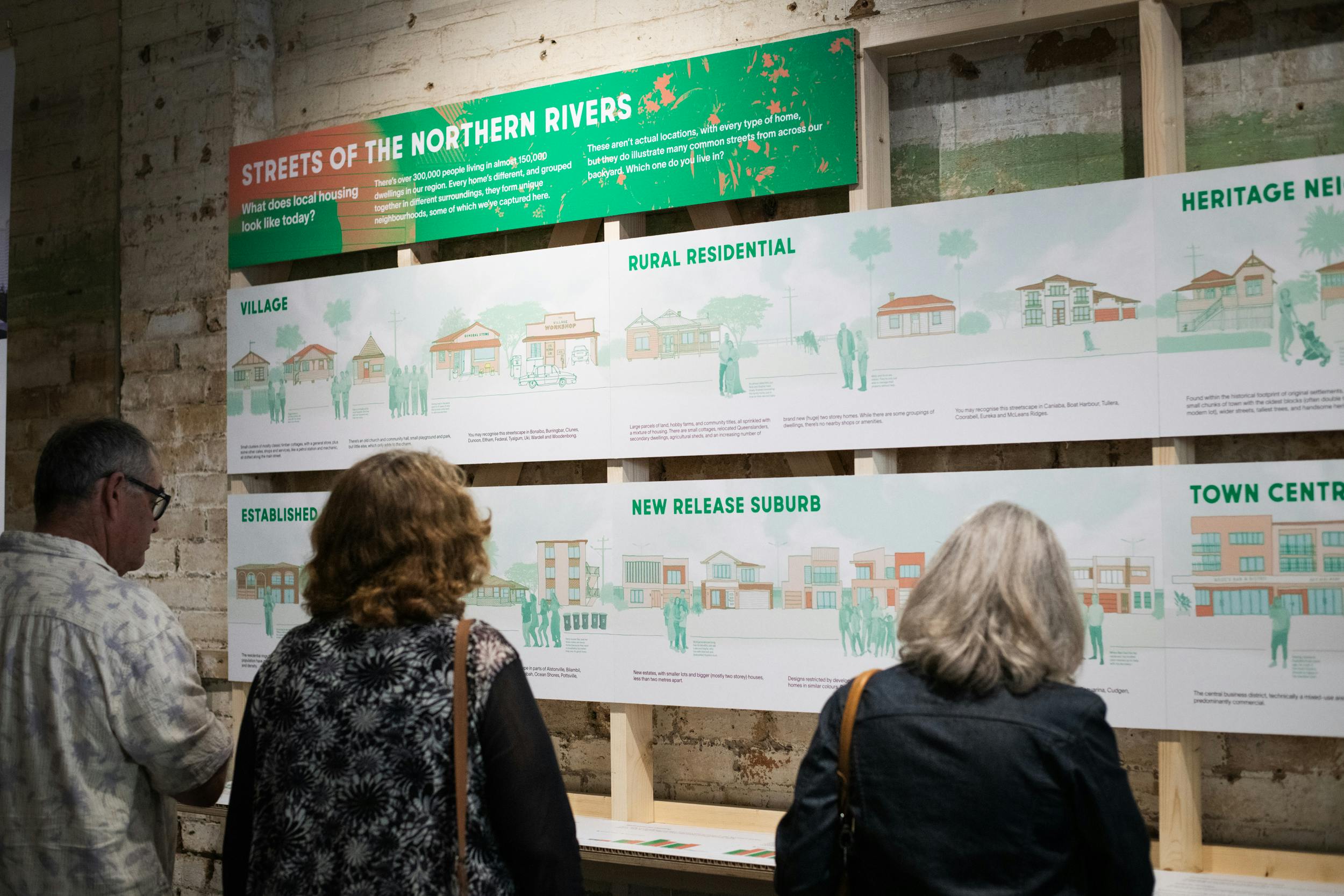
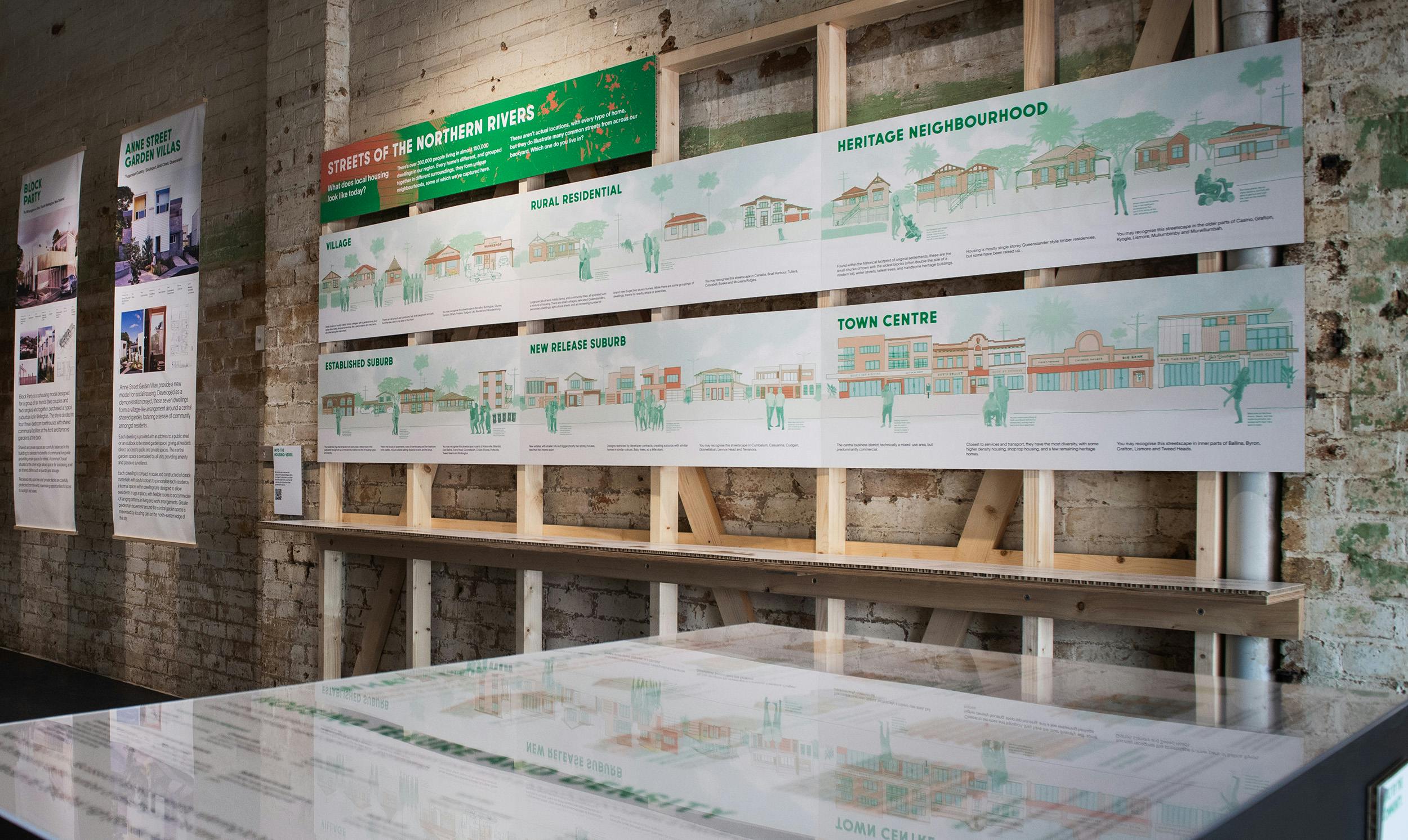
The streets of the Northern Rivers.
What does local housing look like in our region?
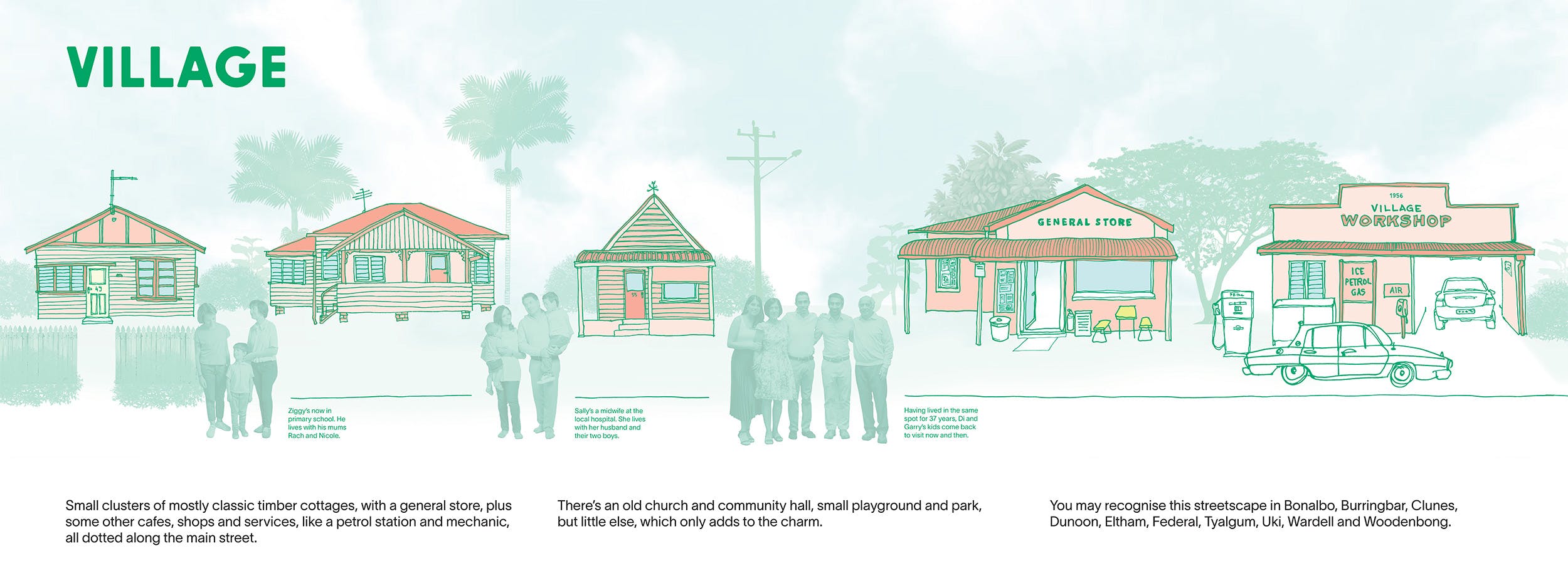
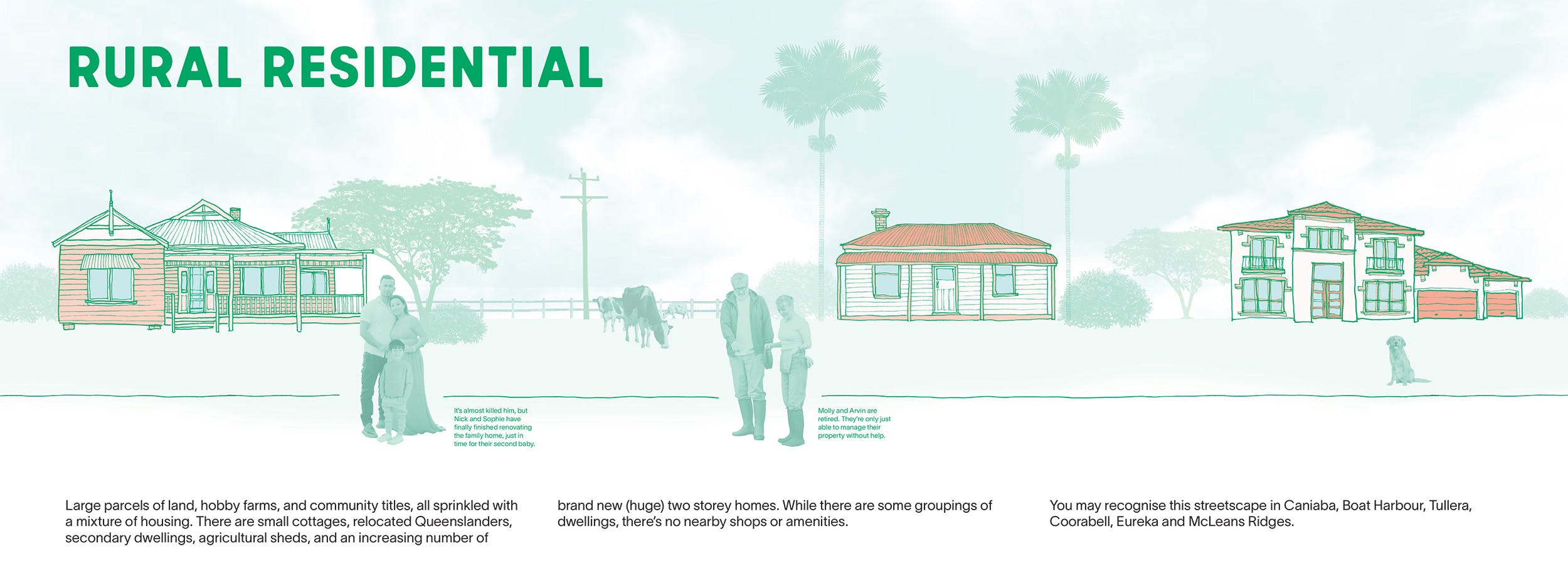
There's over 300,000 people living in almost 150,000 dwellings. We've captured some of the typical neighbourhoods you find here, in our streetscapes below.
Illustrations by Rick Shearman.
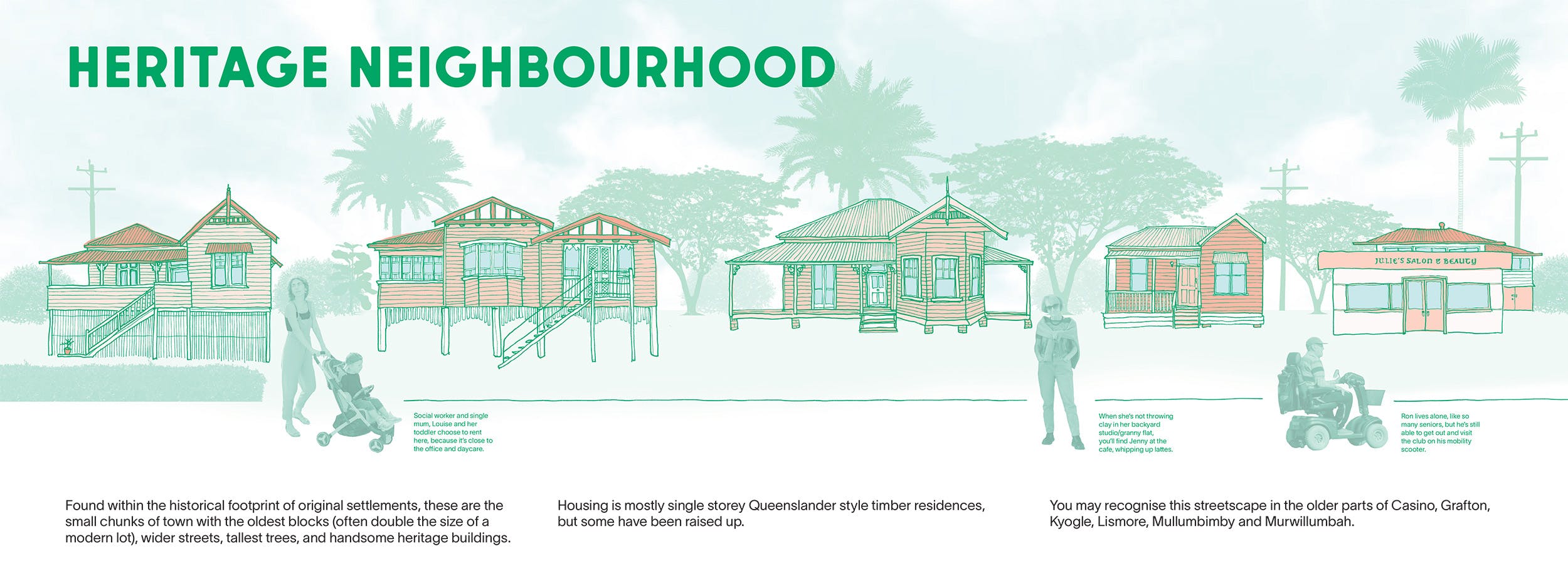
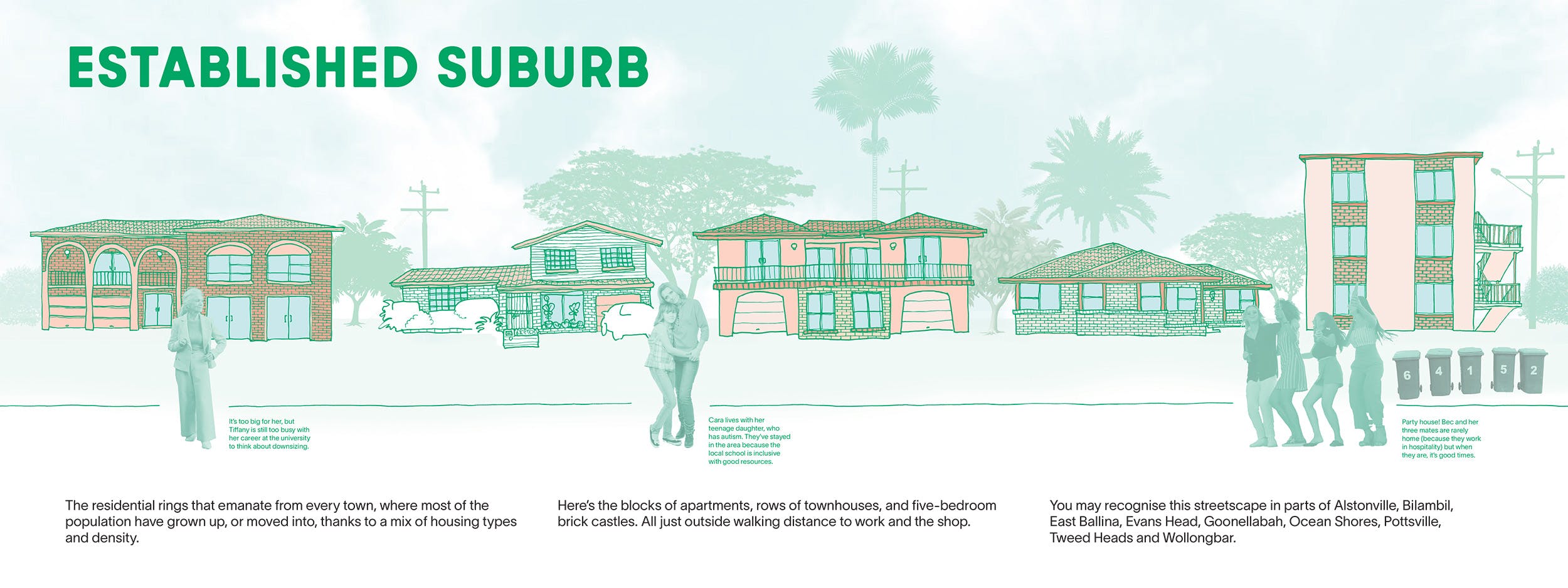
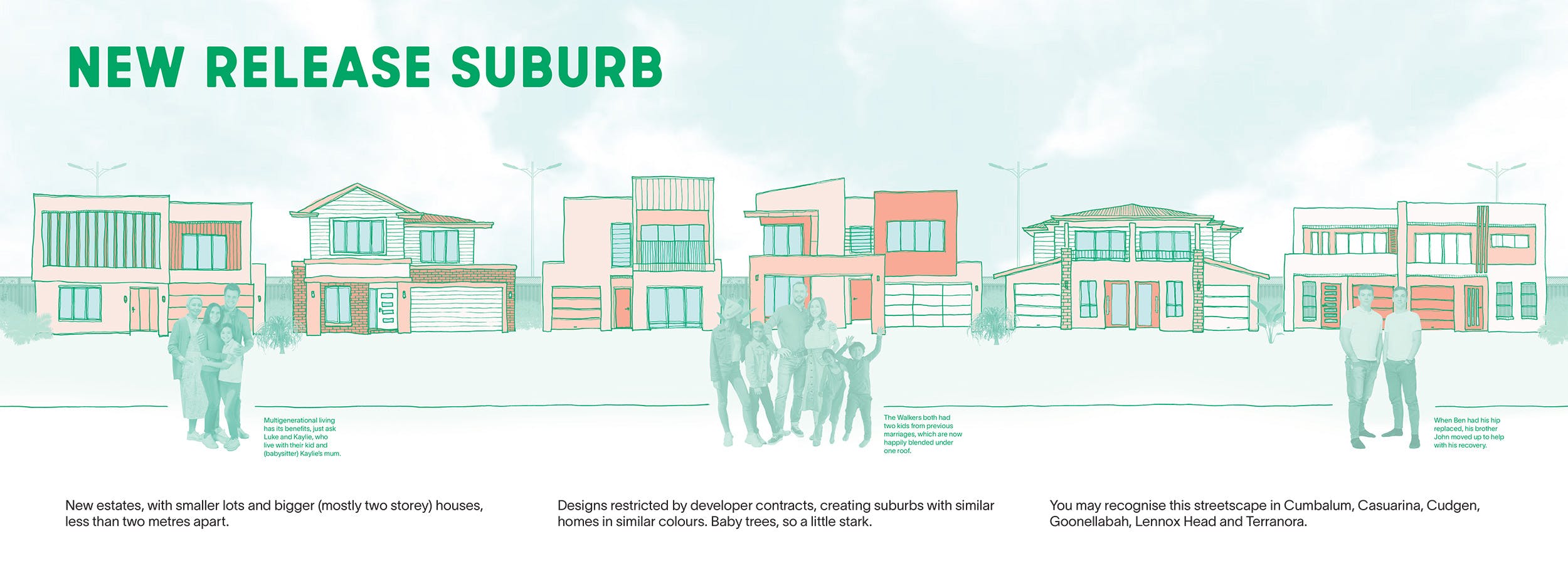
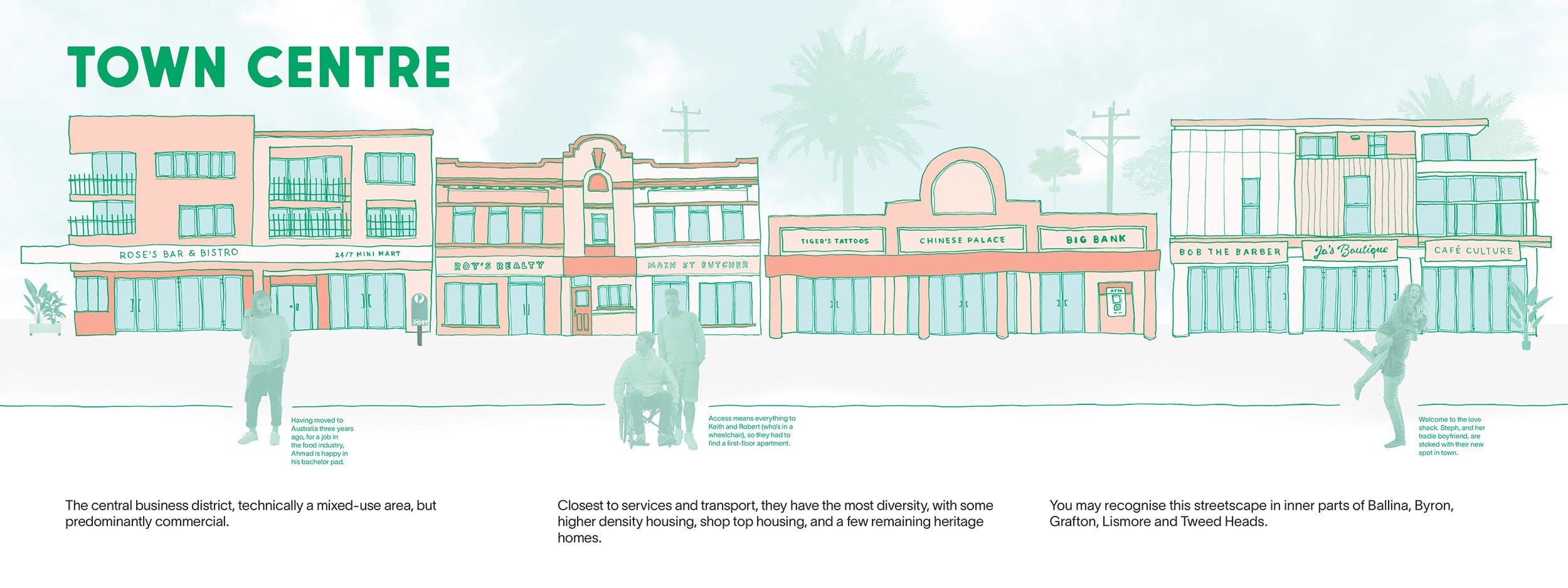
Housing tenure and density
Anatomy of a housing crisis
What’s the problem and why now?
“In a nutshell, the housing crisis comprises declining home ownership, growing private rental stress, rising homelessness and shrinking social housing capacity.”
Dr Andrew Clarke, UNSW School of Social Science.

Housing stress — Increasingly common across the Northern Rivers, this is when households have to contribute more than 30% of their gross weekly income to service a mortgage or pay rent.

House prices: Between 2017 and 2022, median house sales price growth ranged from 81.1% in the Kyogle Shire, to 42.9% in Richmond Valley. All seven LGAs were higher than the NSW average, which increased by 25.6%.

Social housing demand: There were 2,150 applicants for social housing in the Northern Rivers, in 2021, representing a massive 4.3% of all NSW social housing applicants. Expected wait times for social housing varies across the region, from 2-5 years for a 3-bedroom house in Clarence Valley to 10+ years for a 3-bedroom house in Tweed or Byron Shire.

Rent increases: Market driven increases in median rent prices across every LGA in the Northern Rivers, from 2017 to 2022, above the NSW average. Tweed Shire experienced the highest median weekly rent increase at 51.2%.

Homelessness: 1,484 people were experiencing homelessness in the Northern Rivers in 2021. Another 1,325 people were living in compromised conditions, like overcrowded housing or improvised dwellings.

Local migration: A double whammy of interregional migration in response to the Covid-19 pandemic and the rise in work from home arrangements, alongside within-region migration from the coast to the hinterland.

Inflation: Cost of living increases and wage stagnation.

Housing options: Lack of appropriate housing options for smaller and diverse households, intensified by low developer interest and private market investment in alternative housing models.

Low vacancy rates: Caused by a lack of new developments for the rental market.

Short stay accom: Conversion of properties from the long-term rental market into short-stay accommodation.

Land zoning: Can’t go up, due to height restrictions. Can’t spread out, because there is very little appropriately zoned land.

Councils: Limited capacity of local government to process development approvals.

Industry shortages: Supply chain disruptions and labour shortages impacting on building costs.

Natural disasters: Recent floods removed around 3,500 dwellings from available housing stock in the region.
Infill
We need lots of solutions, this is one.
Let us fill you in. Infill housing is when new dwellings are built within an existing town or village, opposed to developing new estates on greenfield sites around the fringe.
Less sprawl and more gentle density, thanks to structures like duplexes, townhouses and low to medium rise apartments.
Infill’s good because it’s close to services and provides alternative types of housing.
Hurdles include the higher cost of urban land and planning restrictions.
The following case studies explore a range of infill housing types from across Australia, including cohousing, social housing, affordable housing, accessible apartment living, new builds and adaptive reuse of commercial and residential buildings.

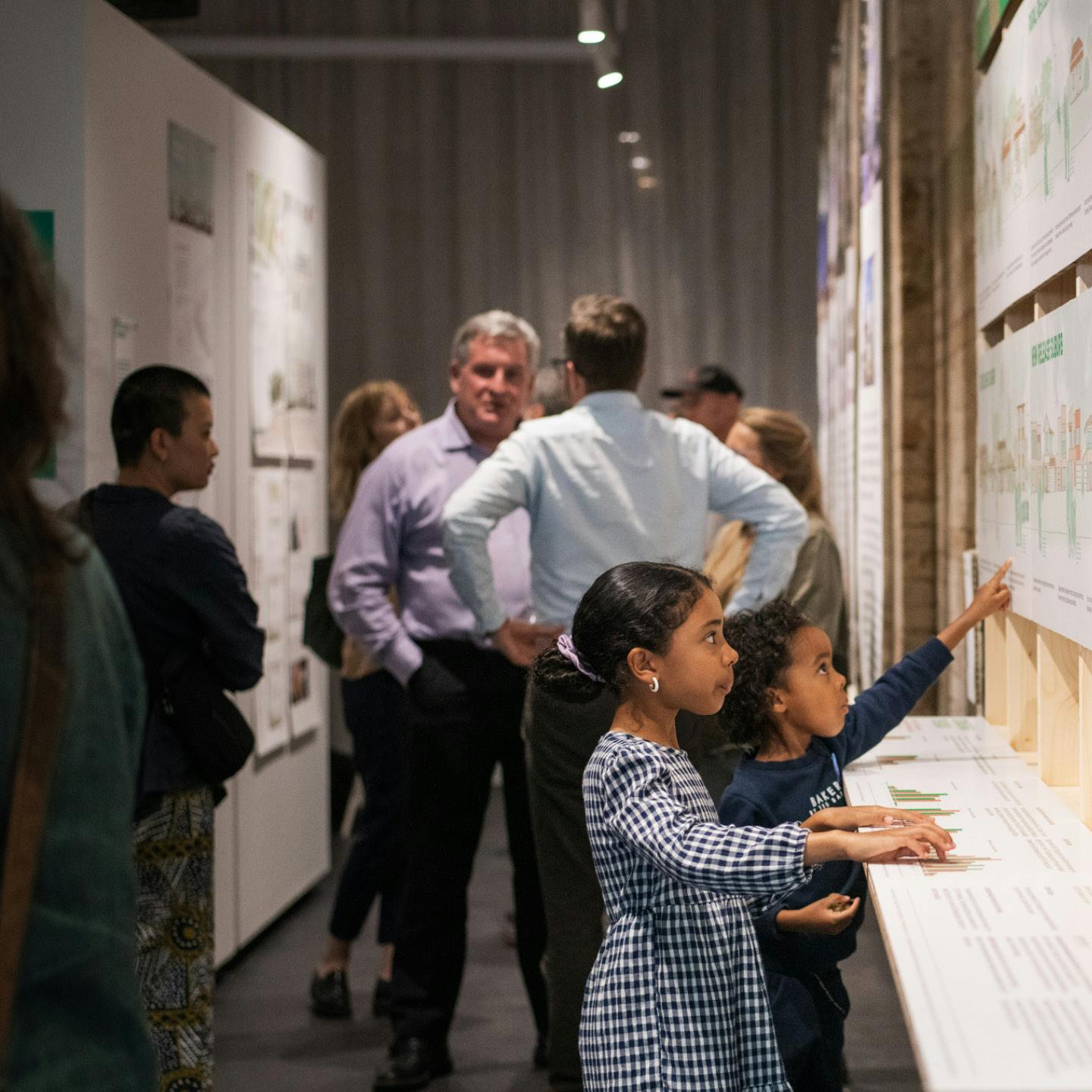
Visitors to the exhibition in our Lismore shopfront.
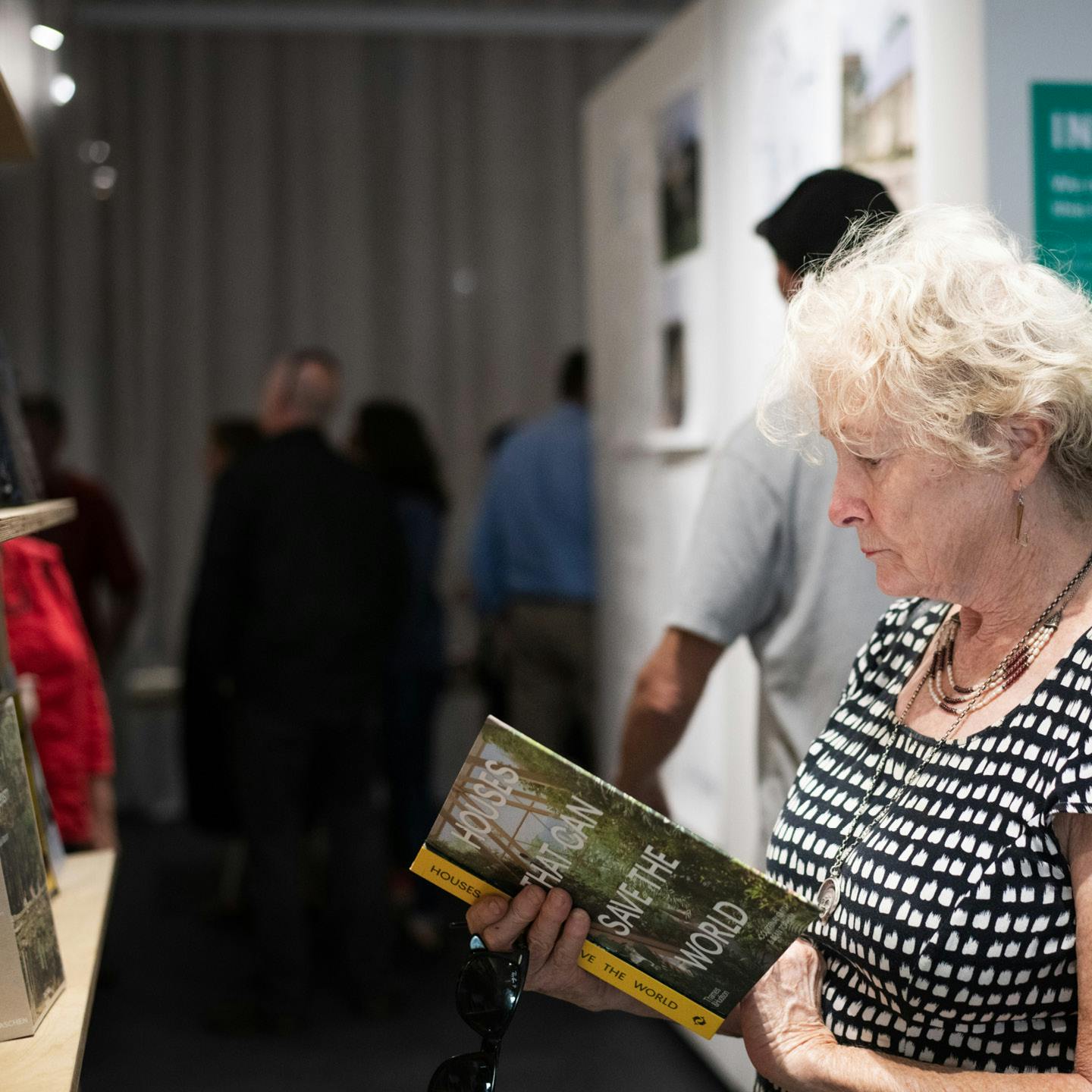
Images by Elise Derwin.
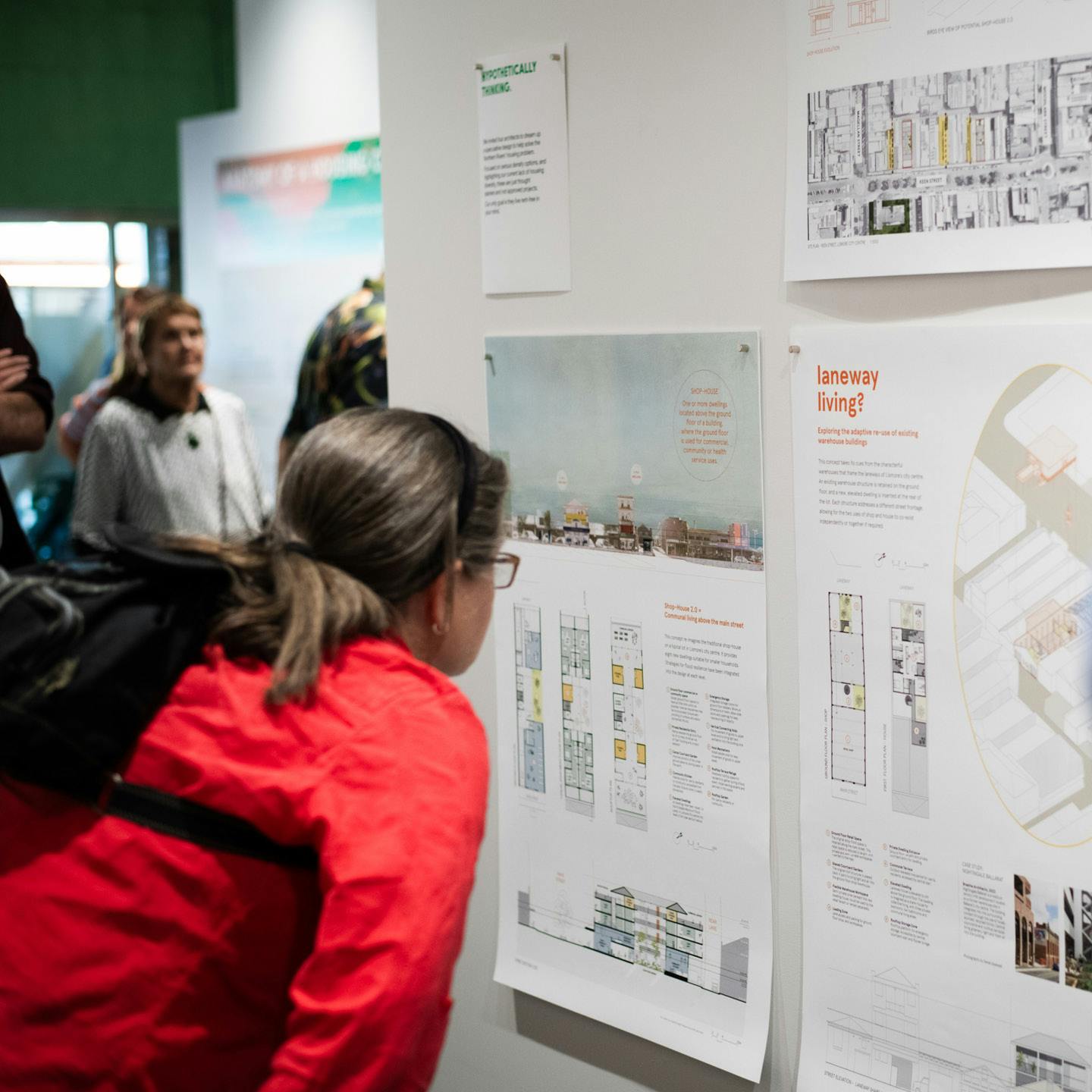
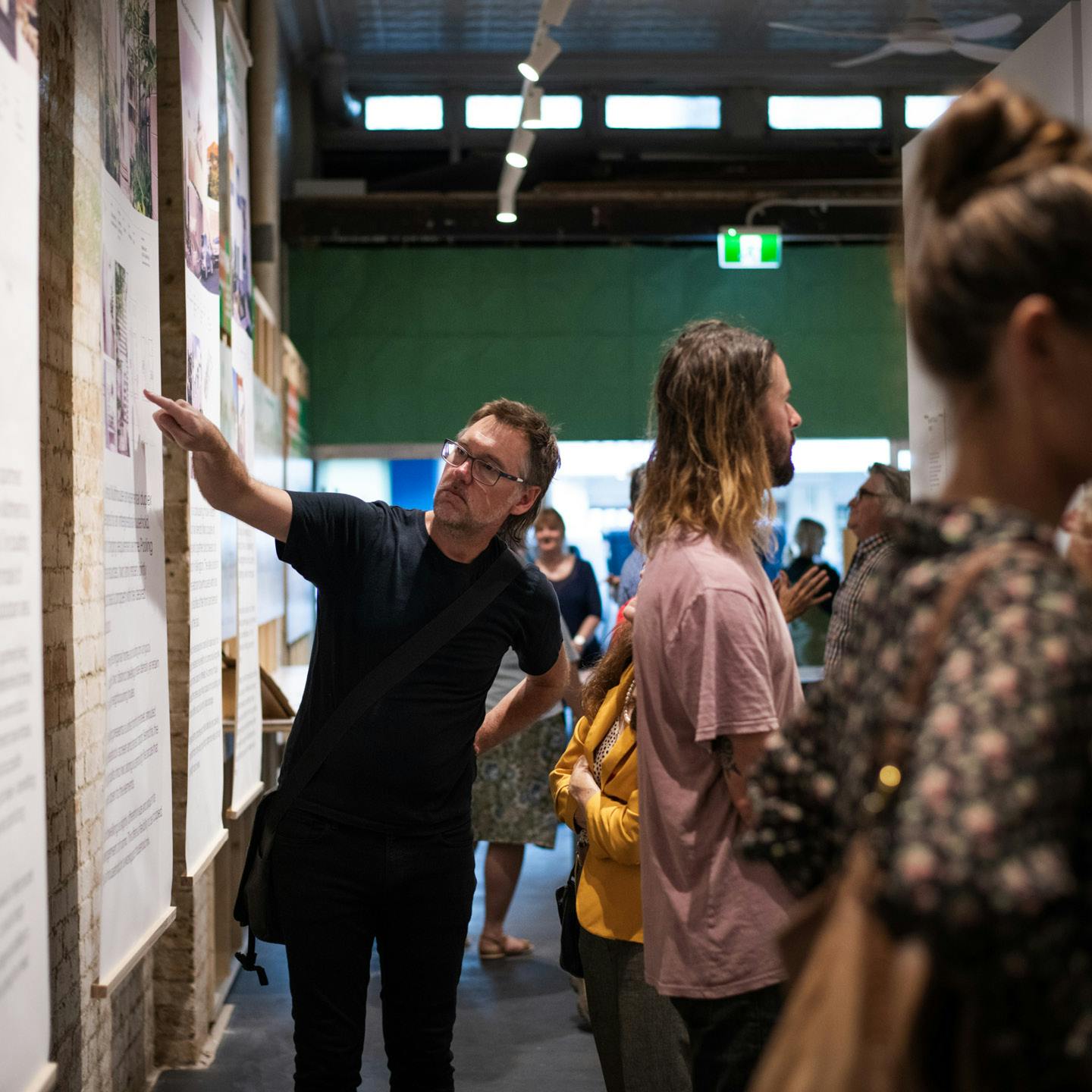
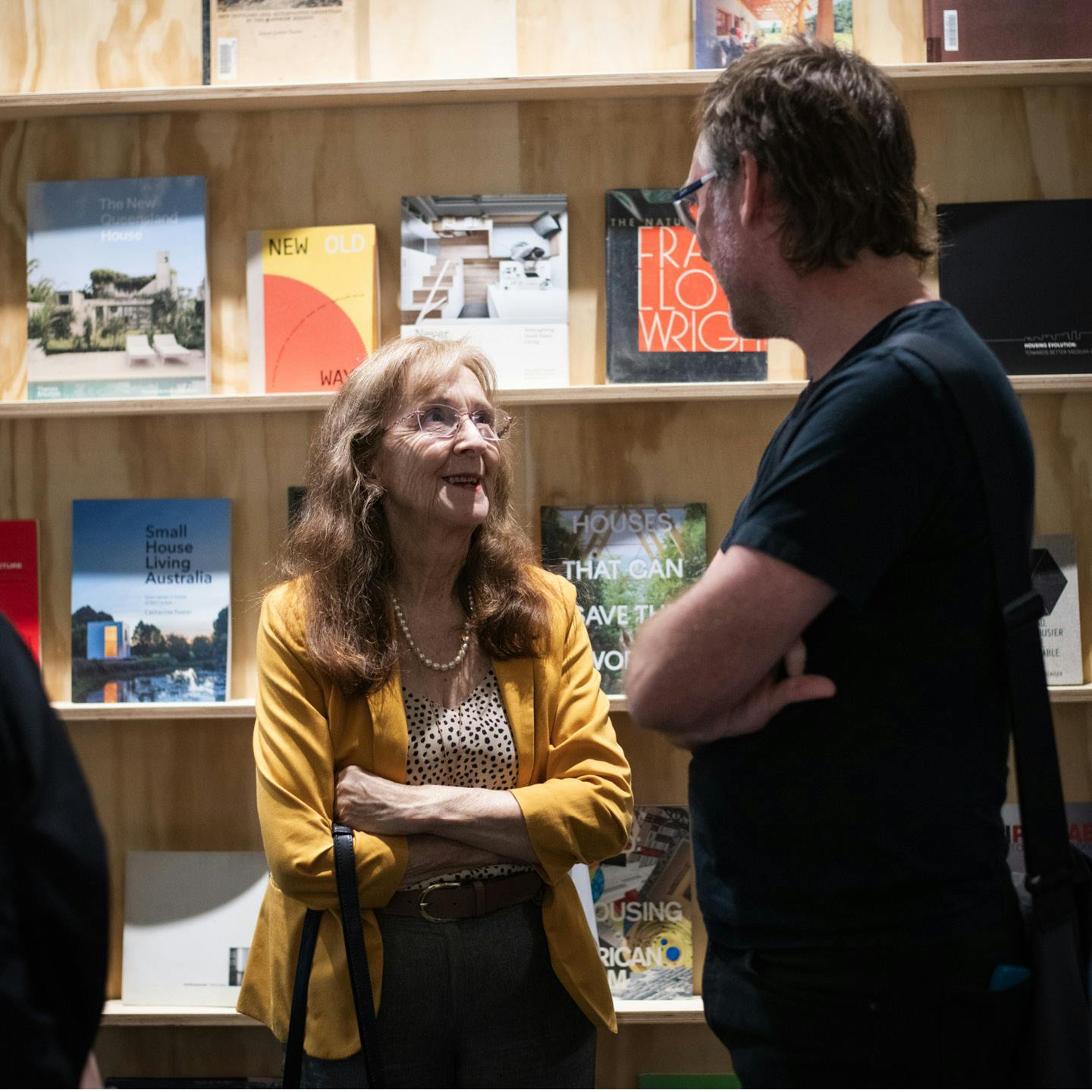
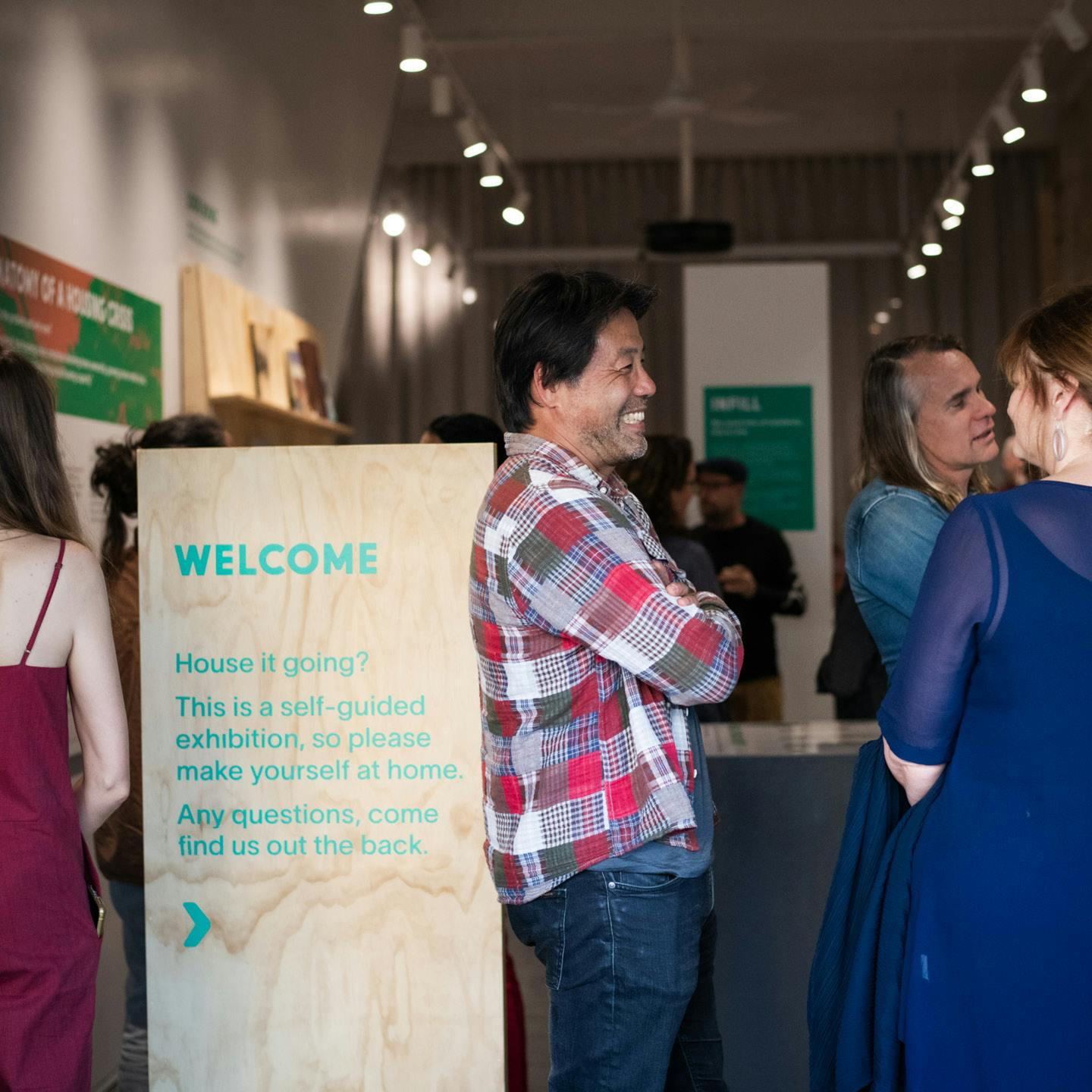
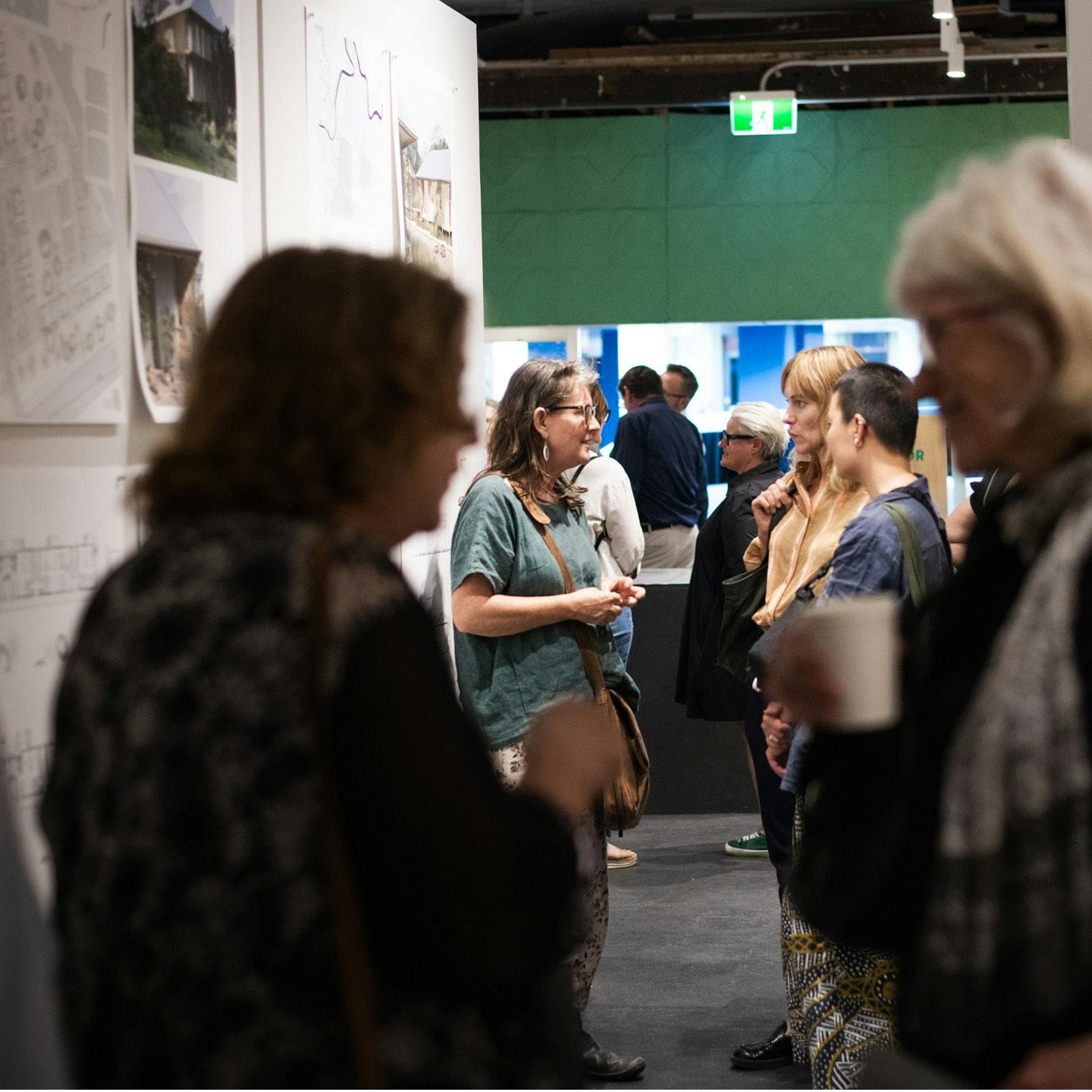
Future Housing in Lismore.
This exhibition, and its accompanying public program, was informed by a housing futures workshop we held in June 2023.
The exhibition helped lay the groundwork for a series of housing projects and collaborative initiatives, bringing together technical experts, community members, and government agencies as they work to deliver more resilient housing options for the region.
The Rumpus Room
The one space designated to having fun, ours is packed to the rafters with music, books, films, TV, and podcasts we’ve enjoyed.

Public program
Event
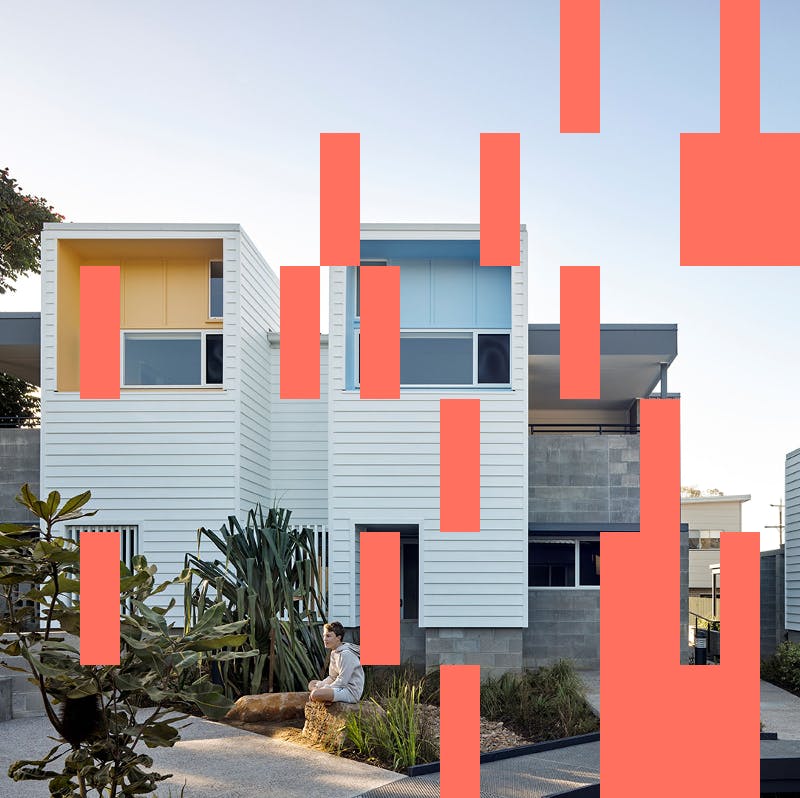
Small moves, big impact — Designing better neighbourhoods
Wed 15 & Thu 16 Nov, 23
Event
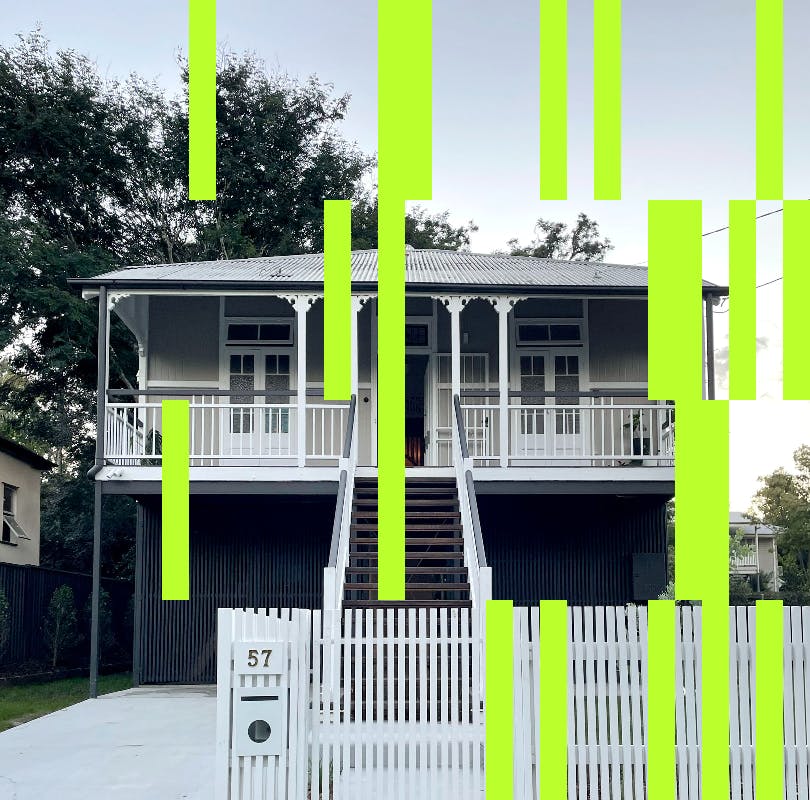
How high? Thinking through a successful house raising project
Wed 22 Nov, 23 - Thu 17 May, 24
Event
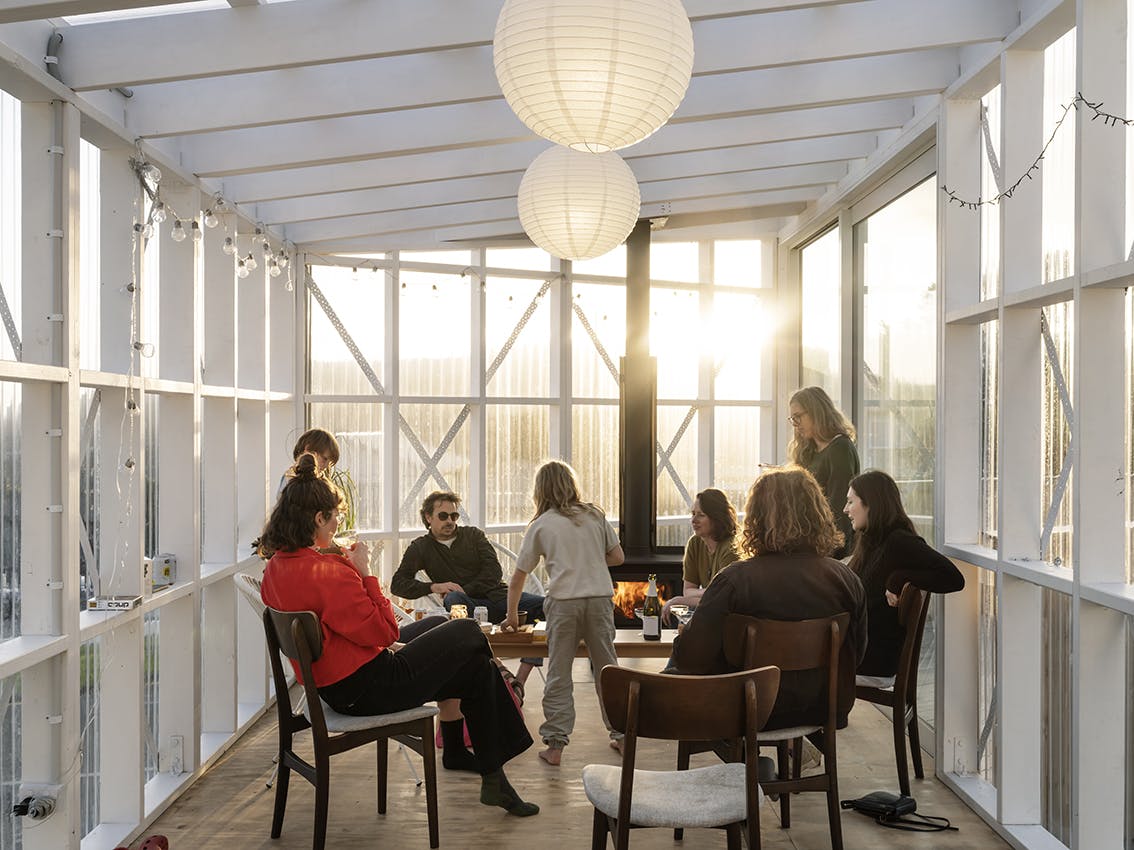
Having fun with housing — infill, cohousing and courtyards
Wed 29 Nov, 23
Event
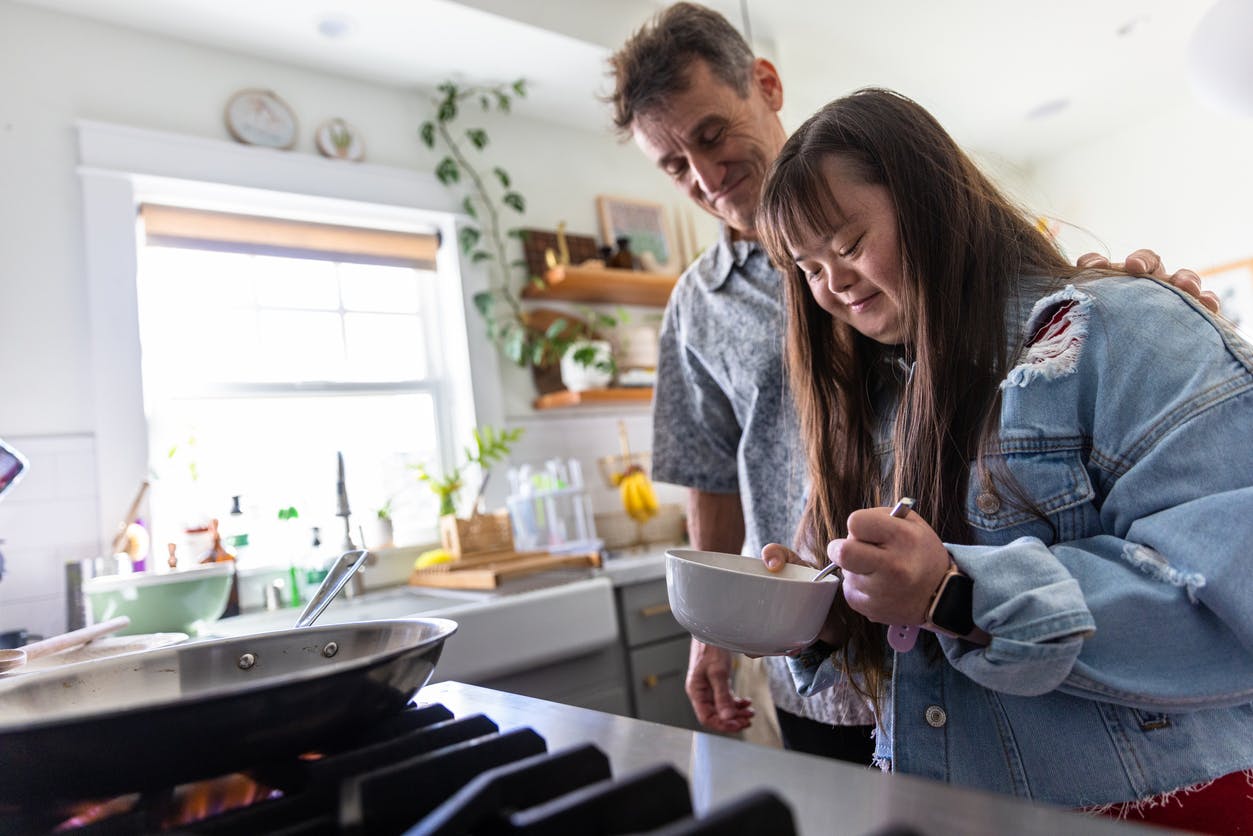
A home for Every-Body: Inclusive design and community led research
Thu 14 Mar, 24